Vlogging has become one of the fastest-growing forms of content creation in Kenya and around the world. From travel videos and lifestyle content to tech reviews and daily routines, creators rely heavily on high-quality visuals to engage their audience. Because of this, choosing the Best Vlogging Camera is one of the most important decisions for any aspiring or professional content creator.
A good vlogging camera does more than just record video. It ensures sharp image quality, smooth stabilization, clear audio support, and ease of use in different environments. Whether you are shooting indoors, outdoors, or while traveling, the right camera can significantly improve your storytelling and audience engagement.
What Makes a Good Vlogging Camera? (2026 Edition)
Beyond basic resolution, modern vlogging is defined by how well a device integrates into a creator’s workflow. In 2026, the industry has shifted toward cameras that handle “behind-the-scenes” processing—like stabilization, lighting, and audio—automatically, allowing you to focus on the story.
1. Essential Performance Pillars
-
Video Quality & AI Processing: While 4K/60fps is the current standard, the “look” of your footage is now dictated by sensor size (1-inch or larger is preferred for natural bokeh) and AI-driven noise reduction, which maintains clarity in dim environments.
-
Stabilization: Modern standards like HyperSmooth 7.0 or 3-axis mechanical gimbals ensure that handheld footage remains fluid without needing bulky external support rigs.
-
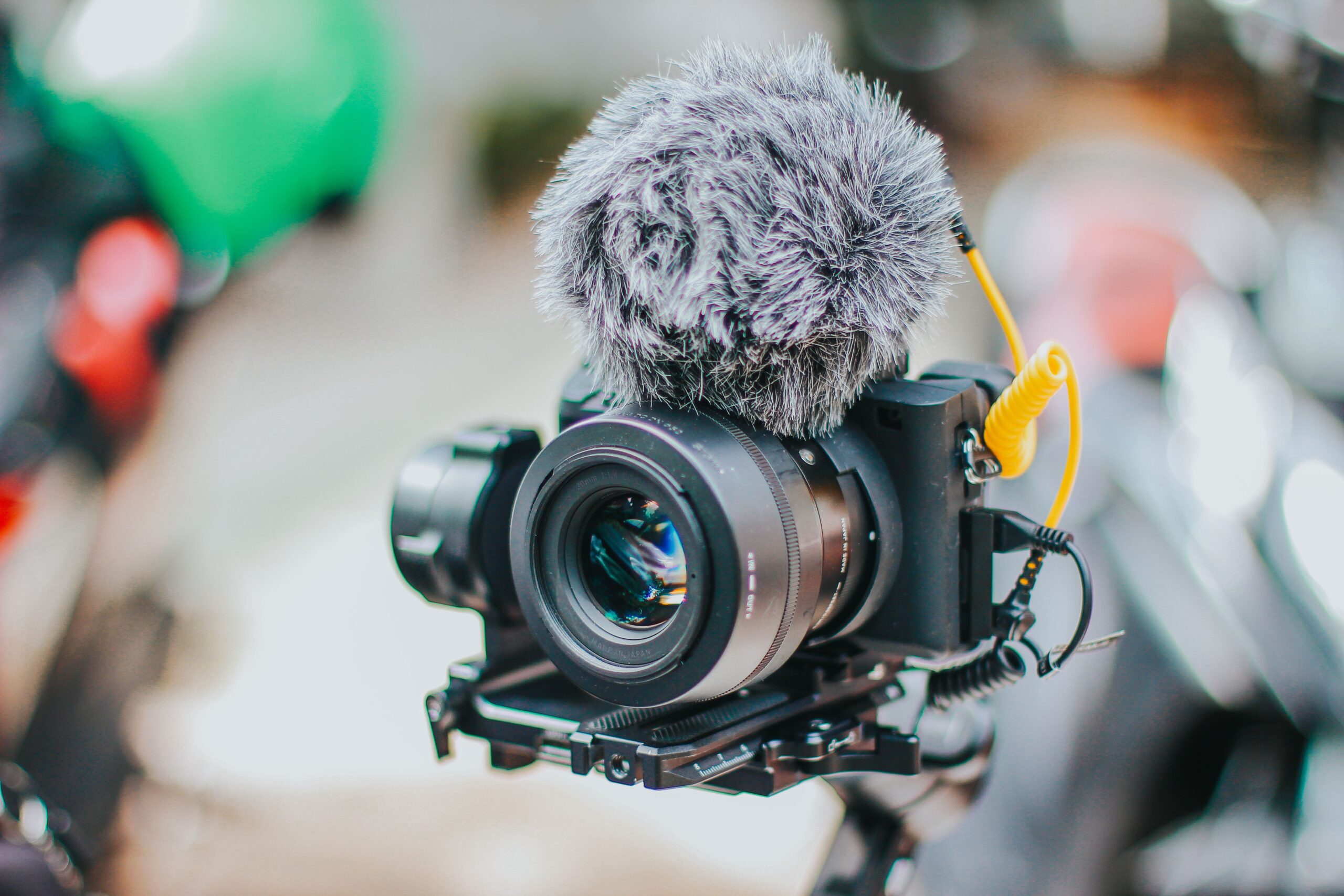
Audio Integrity: Advanced cameras now feature multi-mic arrays that can isolate your voice from background wind or ambient noise. Dedicated 3.5mm inputs remain vital for professional wireless lavalier integration.
-
Intelligent Autofocus: Fast, eye-tracking autofocus that recognizes subjects instantly—even when moving toward or away from the camera—is non-negotiable for solo creators.
-
Connectivity & Workflow: Features like instant vertical recording, Wi-Fi 6 for rapid file transfer, and “plug-and-play” live streaming capabilities are what make a camera truly “vlog-ready” in 2026.
Leading Vlogging Cameras for 2026
As of June 2026, the market has moved beyond the original models you mentioned. Here is the updated landscape:
| Camera Model | Why It’s Still Relevant | Modern Upgrade/Alternative |
| Sony ZV-1 | Remains a reliable, compact classic for beginners. | Sony ZV-1M2 (Wider lens, updated UI, and better USB-C streaming). |
| Canon G7 X Mark III | Loved for its “look” and ease of use. | Canon PowerShot G7X Mark IV (Improved AF and better low-light handling). |
| DJI Pocket 2 | A solid, stabilized entry-level tool. | DJI Osmo Pocket 3 (Larger 1-inch sensor, rotatable screen, and vastly better low-light performance). |
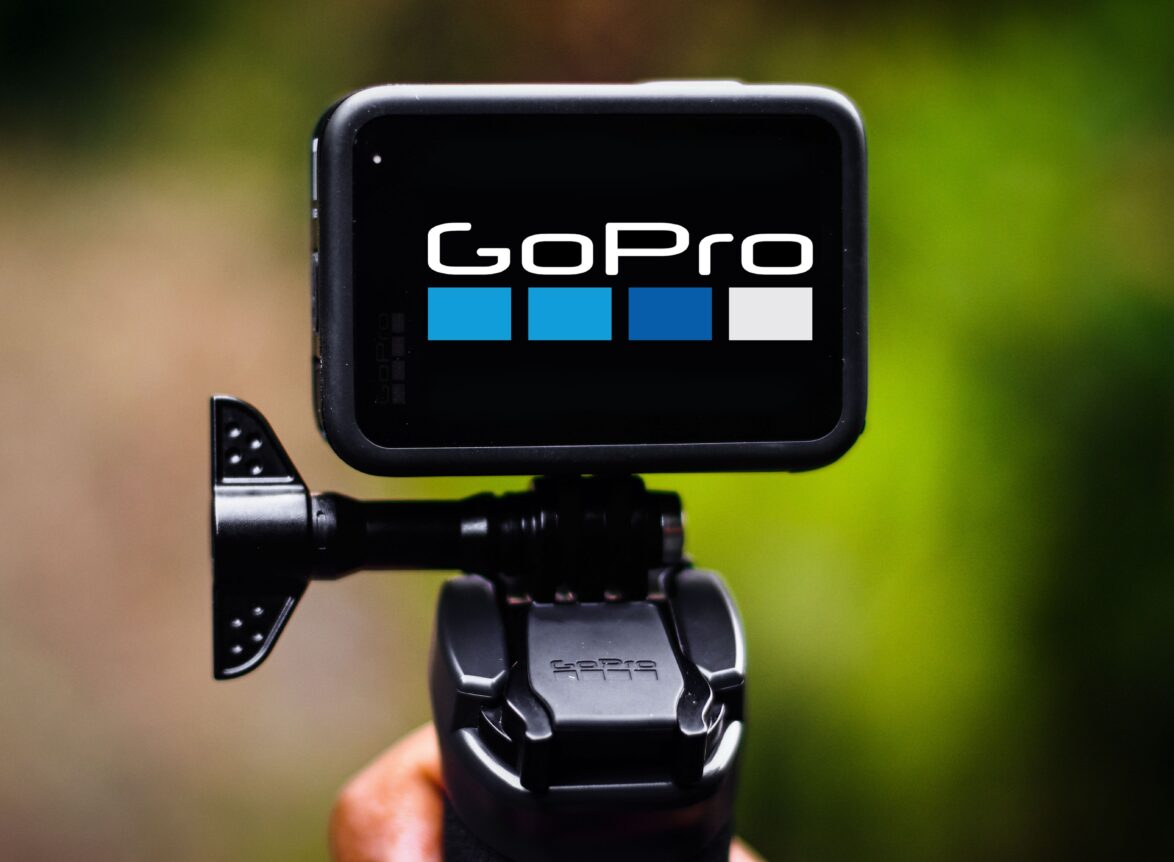
| GoPro HERO12 | Excellent value for rugged use. | GoPro HERO13 Black (Better battery, faster GP3 processor, and magnetic mounting). |
| Panasonic G100 | Good hybrid for those who like lenses. | Sony ZV-E10 II (Current industry leader for interchangeable lens vlogging). |
Detailed Breakdown of Top Recommendations
Vlogging has become a major part of modern content creation, with creators using video to share stories, experiences, and tutorials across platforms like YouTube, TikTok, and Instagram. Choosing the Best Vlogging Camera is essential for producing high-quality, engaging content that stands out and connects with viewers effectively.
1. Sony ZV-1M2 (The Compact All-Rounder)
This is the evolution of the original ZV-1. It is designed for those who want a “point-and-shoot” experience that produces professional-looking, high-bitrate video. Its wider lens is particularly useful for selfie-style vlogging where you need to fit more of the scenery in the frame.
2. Canon PowerShot G7X Mark IV
Canon maintains the G7X’s reputation by refining the “natural skin tones” that beauty and lifestyle vloggers love. It remains the gold standard for creators who want a camera that looks great on social media without requiring heavy color grading in post-production.
3. DJI Osmo Pocket 3 (The Game-Changer)
If you prioritize travel or daily carry, the Pocket 3 is currently unrivaled. Because it features a mechanical 3-axis gimbal and a 1-inch sensor, it produces “cinematic” smoothness that digital stabilization (even in high-end mirrorless cameras) struggles to match. Its rotating screen also makes it the only camera that handles both horizontal (YouTube) and vertical (TikTok/Reels) shooting seamlessly.
4. GoPro HERO13 Black (The Durability King)
For adventure or sports, the HERO13 is the future-proof choice. With its new GP3 processor, it manages heat better than the 12, supports magnetic mounting for quick transitions, and offers significantly better low-light performance.
5. Sony ZV-E10 II (The Professional’s Choice)
If you are ready to move into professional-level content, this is the go-to. By using interchangeable lenses (like a 10-18mm wide-angle for vlogging or a 35mm for interviews), you gain complete control over your creative look. It is the perfect bridge between a “vlogging tool” and a “cinema camera.”
Comparison of the Best Vlogging Cameras
The Best Vlogging Camera options differ in features such as video quality, stabilization, portability, and price. Comparing them helps creators identify the right camera based on their content style, budget, and overall production needs.
| Camera Model | Video Quality | Stabilization | Portability | Best For |
|---|---|---|---|---|
| Sony ZV-1 | 4K | Good | High | Beginners |
| Canon G7 X Mark III | 4K | Good | High | Lifestyle vloggers |
| DJI Pocket 2 | 4K | Excellent | Very High | Travel creators |
| GoPro HERO12 | 5.3K | Excellent | High | Adventure vloggers |
| Panasonic G100 | 4K | Good | Medium | Professionals |
How to Choose the Best Vlogging Camera
Selecting the ideal vlogging camera in 2026 requires balancing your specific creative goals with practical hardware requirements. To make an informed choice, you should evaluate the following factors:
-
Type of Content: Your genre dictates the form factor you need.
-
Travel and On-the-Go: Choose compact, gimbal-stabilized cameras like the DJI Osmo Pocket 3 or action cameras like the Insta360 GO Ultra. These prioritize portability and stabilization for moving shots.
-
Daily Lifestyle and Talking Heads: Mirrorless cameras like the Sony ZV-E10 II or Canon PowerShot V1 are excellent. They offer larger sensors for a cinematic look and better low-light performance.
-
Professional Productions: If you need raw recording formats, extensive lens selection, and advanced color grading, consider professional mirrorless bodies like the Nikon ZR or Sony ZV-E1.
-
-
Budget vs. Value: While flagship models offer AI-assisted tracking and 8K recording, mid-range options are often more than sufficient for social media platforms like TikTok or YouTube. Assess whether you need “pro” features or if a robust “all-in-one” kit will better suit your workflow.
-
Ease of Use: If you are a beginner, look for “vlogger-friendly” features: flip-out touchscreens, intuitive gesture control, and robust “Auto” modes that handle exposure and focus for you.
-
Audio and Connectivity: High-quality video is only half the battle. Ensure the camera includes a dedicated 3.5mm external mic jack and wind-guard capabilities. For professional setups, look for cameras that support wireless audio integration or external recorder connectivity.
4 Benefits of Using a Dedicated Vlogging Camera
While modern smartphones are computationally impressive, dedicated cameras still dominate professional content creation for several fundamental reasons:
-
Optical Quality: Physics remains the ultimate differentiator. Larger sensors (such as 1-inch or full-frame) capture significantly more light than smartphone sensors, resulting in deeper dynamic range, cleaner shadows, and natural optical background blur (bokeh) rather than simulated, “choppy” software-based blur.
-
Professional Workflow: Dedicated cameras allow for manual control over shutter speed, aperture, and ISO, which are vital for achieving a cinematic “film look.” Additionally, they support higher bitrates and professional video profiles (Log/ProRes), providing massive flexibility during color grading.
-
Reliability and Versatility: Unlike smartphones, which are prone to thermal throttling during long 4K recording sessions, dedicated vlogging cameras are engineered for continuous capture. Furthermore, they allow for physical lens swaps—telephoto for reach, ultra-wide for group shots, or macro for product details—providing creative options no phone can physically replicate.
-
Mounting Ecosystem: You gain access to a professional creator ecosystem, including shotgun mics, cold-shoe lights, and various tripod/gimbal configurations that turn your setup into a stable, ergonomic rig.
Vlogging Kits for Beginners
These kits focus on ease of use, compact form factors, and all-in-one functionality to help you start recording immediately without complex setups.
| Camera Model | Best For | Estimated Price (KSh) | Key Advantage |
| DJI Osmo Pocket 3 | Travel & Solo Vlogging | 67,500 | Integrated gimbal stabilization and “run-and-gun” portability. |
| Sony ZV-1F | Lifestyle/YouTube | 65,000 | User-friendly, purpose-built for vlogging with a wide-angle lens. |
| GoPro HERO13 Black | Adventure/Sports | 45,000 | Rugged, waterproof, and ideal for action-oriented content. |
Recommended Beginner Accessory: A simple vlogging kit often includes a mini-tripod, a basic LED light, and a smartphone adapter. You can find “Video Making Kits” starting from as low as KSh 2,500 – KSh 4,500 at specialized retailers in Nairobi.
Vlogging Kits for Professionals
These setups provide advanced creative control, interchangeable lenses, and superior image quality required for higher-production-value content.
| Camera Model | Best For | Typical Body/Kit Price (KSh) | Key Advantage |
| Sony ZV-E10 II | Ambitious Content | 90,000 – 110,000 | Interchangeable lenses, professional autofocus, and 4K/60p recording. |
| Nikon Z30 | Landscapes/Products | 80,000 – 100,000 | Exceptional color science and comfortable ergonomics for long shoots. |
| Sony ZV-E1 | High-end Cinema | 250,000+ | Full-frame sensor, cinematic color profiles, and advanced AI tracking. |
Recommended Professional Accessories:
-
Audio: Invest in wireless lavalier systems like the DJI Mic Mini 2 (approx. KSh 15,000) or Hollyland Lark M2S (approx. KSh 16,000) for professional-grade audio.
-
Stability: A high-quality smartphone or camera gimbal (like the DJI Osmo Mobile series) provides smooth cinematic pans for fixed setups.
-
Lighting: Look for studio LED panels (such as the GVM LS-150D) to ensure your subject is well-lit in indoor settings.
Tips for Purchasing in Kenya
When buying the Best Vlogging Camera in Kenya, it is important to consider factors such as budget, camera features, warranty, and availability of accessories. Choosing a reliable seller and ensuring after-sales support can also help you get the best value for your investment.
-
Verified Retailers: To ensure you receive genuine hardware, purchase from reputable Kenyan tech retailers such as Phoneplace Kenya, Camera Store Kenya, or ValueHub Kenya.
-
Check the Combo: Often, “Creator Combos” or “Adventure Combos” provide better value than buying the camera body and accessories separately. These usually include batteries, carrying cases, and specialized mounts.
-
SD Card Standards: For 4K recording, always buy V30-rated SD cards (like the SanDisk Extreme Pro). Using cheaper cards can lead to “buffering” issues or data loss during long recording sessions.
-
Local Support: Since you are based in Ruiru/Nairobi, prioritize shops that offer warranty support, as repairing specialized camera equipment requires authorized service centers.
Are you leaning more toward a portable “all-in-one” solution for travel, or are you looking to build a more permanent studio setup for your “Kelly Digital” content?
The Future of Vlogging Cameras in 2026
The vlogging camera landscape is currently being redefined by artificial intelligence and automation, moving away from manual complexity toward “intelligent assistance”:
-
AI Auto-Tracking: Professional-grade subject tracking—which once required a dedicated camera operator—is now built-in. AI-powered cameras can now predict movement, switch between multiple angles, and keep you centered in the frame automatically, even in complex environments.
-
Automated Production: Tools are emerging that can perform “auto-editing,” where the camera or its companion app automatically selects highlight clips, arranges them chronologically, applies transitions, and suggests background music, saving you hours of post-production.
-
Smart Features: Expect future cameras to include integrated gesture recognition for hands-free operation and “Product Review Modes” that automatically override face detection when you hold an item up to the lens.
-
Democratization of Tech: As AI-based video enhancement (such as real-time noise reduction and color balancing) becomes standard, even entry-level cameras are producing broadcast-quality visuals that previously required expensive studio setups.
Upgrade Your Content Creation Today
Choosing the Best Vlogging Camera depends on your content style, budget, and experience level. Whether you choose the compact Sony ZV-1, the versatile Canon G7 X Mark III, or the action-ready GoPro HERO12 Black, each camera offers unique strengths to help you create high-quality, engaging videos.
Vlogging is no longer just a hobby—it is a powerful way to build a personal brand, grow an audience, and even generate income. For the best deals on vlogging cameras, smartphones, microphones, and other content creation gear, visit PhoneShop Kenya. They offer reliable, high-quality tech products at competitive prices, making it easy to upgrade your setup and start creating professional-level content today.