Smart home technology is rapidly transforming how people live, work, and interact with their homes. In Kenya, more households are adopting connected devices that improve convenience, security, energy efficiency, and entertainment. From smart lighting systems to voice assistants and intelligent security cameras, the modern home is becoming more automated than ever before.
Choosing the Best Smart Home Devices to Buy in Kenya in 2026 depends on your needs, budget, and the level of automation you want to achieve. Whether you are upgrading your home or starting from scratch, smart devices can significantly enhance comfort and efficiency.
What Are Smart Home Devices?
Smart home devices are interconnected electronic gadgets that communicate via the internet or local wireless networks, allowing you to manage your living space remotely through a smartphone, tablet, or voice assistant. By bridging the gap between hardware and software, these devices automate repetitive daily chores, transforming a static house into a responsive, intelligent environment.
Their primary value lies in their ability to handle mundane tasks—such as adjusting climate, monitoring security, or managing power consumption—without requiring your constant attention. Consequently, the best smart home devices seamlessly combine convenience, safety, and energy efficiency, resulting in a more streamlined and modern living experience.
Why Smart Homes Are Becoming Popular in Kenya
The rapid expansion of the smart home market in Kenya is driven by a unique confluence of technological accessibility and evolving lifestyle needs:
-
Increased Internet Access: The widespread availability of high-speed fiber and 4G/5G mobile internet in major urban centers has provided the necessary backbone for stable, real-time device connectivity.
-
Market Accessibility: As manufacturing scales globally, the entry price for smart gadgets has dropped significantly. This affordability has allowed middle-class households to begin experimenting with smart technology.
-
Urban Lifestyle Demands: In bustling cities like Nairobi and Mombasa, busy professionals increasingly rely on automation to manage their homes efficiently, saving time and reducing the cognitive load of everyday household management.
-
Security Consciousness: With an growing demand for robust property protection, smart security systems offer a level of transparency and immediate response that traditional locks and basic alarms cannot match.
Key Categories of Smart Home Technology
Smart home technology is divided into several key categories, each designed to improve comfort, security, and efficiency in modern living. These categories include smart security systems, smart lighting, smart entertainment devices, and smart appliances, all working together to create a fully connected and automated home experience.
1. Smart Speakers (The Central Hub)
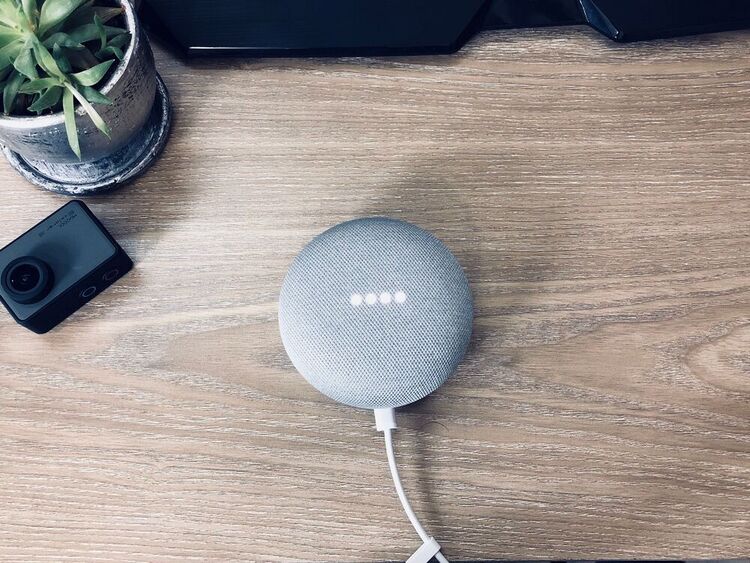
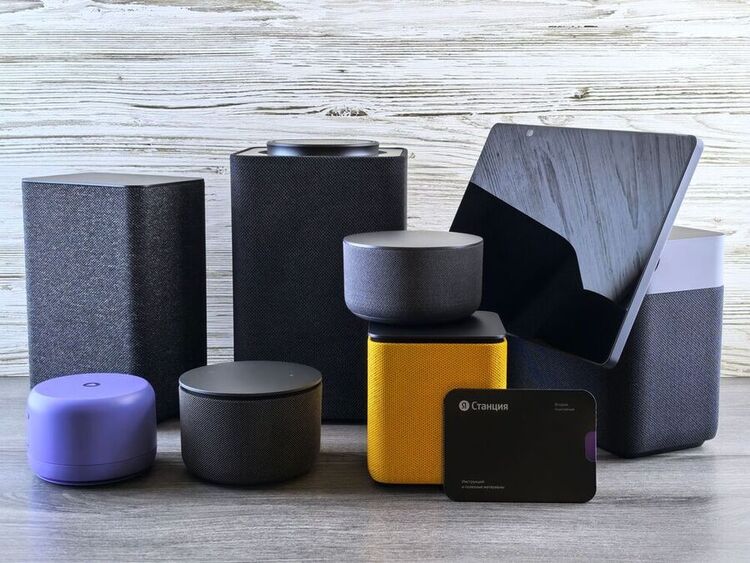
Smart speakers, such as the Amazon Echo and Google Nest, serve as the “brain” of your home. Beyond streaming music, they act as an interface for your voice commands, allowing you to control lighting, temperature, and security without ever touching a switch.
2. Smart Security Cameras
These devices provide a critical layer of protection. With HD/4K recording, motion-triggered mobile alerts, and night vision, they allow you to monitor your premises from anywhere in the world, providing invaluable peace of mind.
3. Smart Lighting Systems
Lighting is often the entry point for most users. You can adjust brightness, change colors, or set automated schedules to mimic your presence while you are away. Furthermore, LED-based smart bulbs significantly reduce electricity consumption compared to traditional lighting.
4. Smart Plugs
These are arguably the most versatile tools for beginners. By plugging a standard appliance—like a coffee maker, fan, or floor lamp—into a smart plug, you gain remote on/off control, scheduling capabilities, and energy usage tracking.
5. Smart TVs
Modern smart TVs serve as the hub for digital media. With integrated streaming apps, voice assistant support, and 4K/HDR capabilities, they have evolved from passive screens into interactive entertainment centers.
6. Smart Door Locks
Smart locks offer keyless entry via fingerprint scanners, PIN codes, or smartphone apps. They are particularly popular among Airbnb hosts and modern households because they allow for temporary guest access and activity logging.
7. Smart Climate Control (Thermostats/Sensors)
Although the climate in Kenya is relatively temperate, smart temperature and humidity sensors are becoming common in modern apartments. They optimize comfort and energy usage by learning your daily habits and adjusting the environment accordingly.
Pro-Tip: If you are planning to invest in these devices, you should always check for “ecosystem compatibility.” For instance, if you already use an Android phone, starting with a Google-compatible device ensures a smoother experience than mixing systems from disparate brands.
Comparison of the Best Smart Home Devices
The Best Smart Home Devices vary in function, price, and features, ranging from security systems and smart lighting to entertainment and automation tools. Comparing them helps users choose the right combination based on their needs, budget, and level of home automation.
| Device Type | Function | Ease of Use | Price Range | Best For |
|---|---|---|---|---|
| Smart Speakers | Voice control | Easy | Mid | Beginners |
| Security Cameras | Home monitoring | Easy | Mid | Security |
| Smart Lights | Lighting control | Very easy | Low | Energy saving |
| Smart Plugs | Appliance control | Very easy | Low | Beginners |
| Smart TVs | Entertainment | Easy | High | Entertainment |
| Smart Locks | Security | Medium | High | Homes & offices |
| Smart Thermostats | Temperature control | Medium | High | Energy efficiency |
How to Choose the Best Smart Home Devices
Selecting the right smart home technology involves focusing on your actual needs rather than just the latest gadgets. To make an intelligent investment, follow these guidelines:
-
Define Your Concrete Needs: Begin by identifying the problems you want to solve. Instead of asking what you can automate, ask what causes you stress, wastes your time, or makes you feel insecure. For example, if you frequently worry about the house while away, prioritize security cameras and smart locks. If you want to reduce electricity costs, focus on smart lighting and connected thermostats.
-
Prioritize Compatibility: Ensure that all your devices communicate within a unified ecosystem. Popular platforms like Google Home, Amazon Alexa, or Apple HomeKit allow you to manage various gadgets from a single interface. Look for “Matter” compatibility, a new industry standard that ensures devices from different brands work together seamlessly.
-
Plan for Scalability: You do not need to overhaul your entire home at once. Start small with basic, high-impact devices like smart plugs or LED bulbs. As you become comfortable with the technology, you can progressively add more complex systems like sensors or integrated climate control.
-
Evaluate Security and Privacy: Because your home is interconnected, prioritize devices from reputable brands that offer robust security measures, such as encryption and multi-factor authentication. Always check if a device requires a cloud connection and consider whether you are comfortable with how your data is handled.
-
Assess Installation Requirements: Some devices are plug-and-play, while others may require professional setup. If you are not tech-savvy, opt for products with guided app instructions to avoid the frustration of complex wiring.
Beginner-friendly Devices
To help you start building your smart home, I have compiled a list of beginner-friendly devices that are popular in the Kenyan market for their reliability, ease of setup, and compatibility with major platforms like Google Home and Amazon Alexa.
Recommended Starter Smart Devices
| Device Category | Recommended Product / Brand | Why It’s Great for Kenya |
| Smart Plugs | TP-Link Tapo P100/P110 | Allows you to remotely turn off appliances; the P110 version even monitors energy consumption to help you manage electricity bills. |
| Smart Lighting | Philips Hue or Xiaomi Mi LED | Reliable, vibrant, and integrates seamlessly with Google Home for voice-controlled mood lighting. |
| Security Cameras | TP-Link Tapo C200 / C210 | Very popular in Kenya; offers affordable 360-degree monitoring, two-way audio, and local storage (microSD) so you aren’t reliant on cloud subscriptions. |
| Smart Hubs | Google Nest Mini | Acts as the “brain” of your home; it’s an affordable speaker that lets you control all your connected devices using voice commands. |
| Smart Locks | Yale Smart Locks | Highly secure, well-supported locally, and allows you to grant guest access or check if your door is locked while you are away. |
Vital Considerations for the Kenyan Market
When choosing the Best Smart Home Devices in Kenya, it is important to consider factors such as internet reliability, device compatibility, affordability, and local availability. These considerations ensure smooth performance, value for money, and easy integration into everyday home setups.
-
Internet Stability: Most of these devices require a constant 2.4GHz Wi-Fi signal. If you have a large home, consider a Mesh Wi-Fi system (like TP-Link Deco) to ensure the signal reaches your cameras or locks reliably.
-
Power Protection: Because power fluctuations are common, never connect smart hubs directly to a wall socket. Use a high-quality surge-protected extension cable or a small UPS (Uninterruptible Power Supply) to keep your “brain” device (the hub) powered during short blackouts.
-
Local Support: Stick to brands like TP-Link (Tapo), Xiaomi, and Yale. These have strong distributor networks in Kenya, meaning you can find replacements, get support, and purchase accessories at major local electronics retailers like Urbantec or other reputable shops in Nairobi/Ruiru.
Pro-Tip: Before buying, download the Tapo or Mi Home app on your phone. Even if you don’t have the hardware yet, the apps allow you to simulate how you would organize your devices, which helps you plan your “Smart Home” layout before you spend a single shilling.
4 Benefits of Smart Home Devices
Smart technology is transforming modern living in Kenya by providing tangible improvements to your daily routine:
-
Enhanced Convenience: Control your entire home environment—from lighting and curtains to entertainment and climate—directly from your smartphone or through simple voice commands.
-
Improved Security: Smart cameras, doorbells, and locks allow you to monitor your property in real time, receive instant mobile alerts, and manage entry, offering peace of mind even when you are miles away.
-
Energy Efficiency: Intelligent devices help you monitor consumption and optimize usage. For instance, smart thermostats can adjust temperatures based on occupancy, while automated lighting ensures you never leave lights on in an empty room, significantly lowering utility bills.
-
Modern Lifestyle: Integrating smart appliances and entertainment systems turns your living space into a connected hub that supports your work, relaxation, and health needs.
The Future of Smart Homes in Kenya
The smart home market in Kenya is poised for significant growth, driven by a unique blend of global innovation and local necessity:
-
Rising Adoption: With the smart home market in Kenya projected to grow steadily, what was once a niche for the wealthy is becoming a mainstream expectation in new residential developments.
-
Local Priorities: Unlike markets that focus on “luxury” automation, Kenyan households are increasingly prioritizing affordable security and energy management. Developers are responding by integrating fiber-ready connectivity and solar-smart inverters into new housing projects.
-
The AI Revolution: As artificial intelligence advances, homes will move beyond simple “on/off” automation. Future systems will anticipate your needs, such as automatically adjusting your lighting and air quality as you enter a room or preparing your appliances based on your daily habits.
-
Overcoming Challenges: While high initial costs and infrastructure gaps—such as power and internet stability—remain, the shift toward integrated “smart living” is becoming a standard feature of modern Kenyan construction, particularly in urban centers like Nairobi.
Pro-Tip for Kenyan Homeowners: Given the local focus on reliability, prioritize smart devices that support offline functionality or have battery backups. For areas with frequent power fluctuations, integrating smart plugs with a reliable surge protector or connecting your smart hub to a small UPS (Uninterruptible Power Supply) can help keep your system stable and prevent data loss.
Upgrade Your Home with Smart Technology Today
Choosing the Best Smart Home Devices to Buy in Kenya in 2026 can transform your lifestyle by improving convenience, security, and energy efficiency. From smart speakers and lighting systems to advanced security cameras and smart locks, these devices make everyday life easier and more connected.
As smart technology continues to evolve, investing in these devices is no longer a luxury but a practical step toward modern living. For the best deals on smart home devices, smart TVs, smartphones, and other electronics in Kenya, visit PhoneShop Kenya. They offer reliable, high-quality products at competitive prices, helping you build a fully connected smart home with ease. Start your smart living journey today with PhoneShop Kenya.