Smart speakers have become a central part of modern smart homes. From controlling lights and playing music to answering questions and managing schedules, these devices are changing how people interact with technology. Among the most popular options today are the Amazon Echo and Google Nest.
If you are planning to upgrade your home or start building a smart home ecosystem, you’ve likely come across the debate: Amazon Echo vs Google Nest – which is better? The truth is, both are powerful, intelligent, and widely used. However, they differ in features, ecosystem, and user experience.
Understanding the Two Smart Ecosystems
In 2026, the ecosystem rivalry has reached a new level of maturity. With the recent rollout of Matter 1.6, cross-platform friction is finally fading, making it easier for you to mix and match devices regardless of the brand.
The Modern Ecosystem Landscape
| Feature | Amazon Alexa (Echo) | Google Nest (Gemini for Home) |
| Automation | The Utility Champion. Unmatched for complex “chain” routines across third-party hardware. | Context-Aware. Strong, but leans more on intelligent suggestions than raw user-defined logic. |
| Core AI | Alexa+. Enhanced voice-based control that feels faster for “command-and-response” tasks. | Gemini for Home. Conversational powerhouse; understands multi-step requests and “messy” sentences. |
| Integration | Best for diverse device brands (Ring, TP-Link, various sensors). | Best for Google-centric households (Android, Workspace, Chromecast). |
| Compatibility | Massive library of “skills” for specialized, niche smart home gadgets. | Leaner, curated integration focus on high-quality smart home brands. |
Design and Hardware Philosophies
-
Amazon Echo (The Bold Hub): Amazon’s hardware, such as the Echo Show 8 or Echo Dot Max, continues to prioritize being a prominent, functional “hub” in your room. They often feature more robust audio hardware, making them a popular choice if your smart speaker is also your primary music player.
-
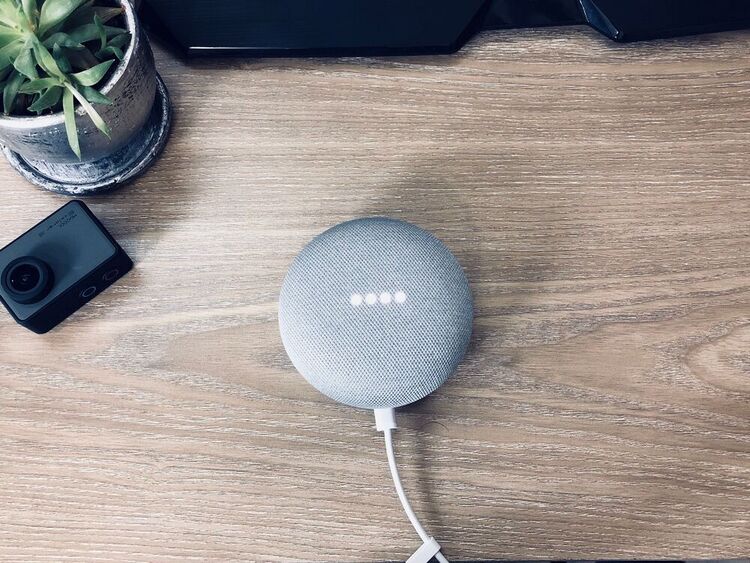
Google Nest (The Aesthetic Blend): Google has shifted toward a “blended” aesthetic. Devices like the Nest Audio or the new Google Home Speaker are designed with soft, fabric-wrapped exteriors that disappear into your decor. They are less about “tech” and more about “home.”
Intelligence: The Gemini vs. Alexa+ Shift
The most significant change in 2026 is the transition to generative AI models:
-
Alexa+: Amazon’s new AI focuses on “situational awareness” (Omnisense). It excels at knowing where you are in the house and what you are doing, allowing it to turn off lights in an empty room or adjust the environment based on your movement. It remains the most responsive choice for users who want a smart home that “just works” for hardware control.
-
Gemini for Home: Google has pivoted toward conversational logic. You no longer need to speak like a robot; you can talk to a Nest speaker as you would a person. It handles “follow-up” questions (e.g., “What’s the weather?” followed by “What should I wear for that?”) with perfect context retention.
The Matter Factor (The Great Unifier)
In mid-2026, the release of Matter 1.6 has fundamentally changed how these systems interact.
-
Joint Fabric: This new feature allows you to “share” a device across multiple ecosystems. If you set up a smart light with Google Home, you can now expose that same device to an Amazon Echo without needing a secondary setup.
-
NFC Commissioning: Setting up new smart devices is now as simple as tapping your phone against them, removing the frustration of scanning QR codes or entering manual setup codes.
How to Choose in 2026
In 2026, choosing between Amazon Echo vs Google Nest comes down to your lifestyle and ecosystem preference. Both are powerful smart assistants, but Amazon Echo is ideal for affordability and wide smart home compatibility, while Google Nest stands out for smarter AI responses and deep Google integration. The best choice is simply the one that fits seamlessly into how you already use your phone, apps, and smart devices.
-
Choose Amazon Echo if: You are building a “utility” smart home. If you want to connect a dozen different brands of sensors, lights, and locks, and you need a routine that triggers an action based on complex conditions, Alexa+ is the undisputed king of home automation.
-
Choose Google Nest if: You want a “conversational” assistant. If your smart home is primarily for asking questions, managing your calendar, and seamless media casting (YouTube/Chromecast), the Gemini-powered Google Nest system will feel significantly more natural and human-like to use daily.
Pro-Tip for Kelly Digital: Since your agency focuses on digital strategy, you might find Google Nest more productive for your workflow, as its deep integration with Google Calendar and Workspace can help you manage your daily agency tasks and client meetings much more efficiently.
Would you like me to help you map out a “Smart Office” automation routine that leverages these new generative AI features for your daily marketing tasks?
Smart Home Integration
In 2026, the choice between Amazon Echo (Alexa) and Google Nest (Google Assistant) largely depends on whether you prioritize automation utility or conversational intelligence. Both ecosystems now support the Matter smart home standard, which has significantly improved cross-brand compatibility.
Quick Comparison: The 2026 Landscape
| Feature | Amazon Echo (Alexa) | Google Nest (Google Assistant) |
| Smart Home Automation | Superior. Best-in-class for chaining devices into complex, reliable routines. | Good. Strong, but feels more focused on convenience than raw automation power. |
| Conversational AI | Improved, but can feel more “command-based.” | Leading. Thanks to Gemini AI integration, it excels at natural, context-aware conversations. |
| Device Compatibility | Widest. Supports the most third-party gadgets and off-brand accessories. | Focused. Works exceptionally well with Nest, Chromecast, and Google services. |
| Search & Information | Functional, but often steers toward retail/Amazon answers. | Best. Leverages Google Search for accurate, real-time, and human-like answers. |
| Smart Displays | Feature-rich. Echo Show devices offer a wide variety of sizes and “hub” functionality. | Aesthetic. Designed as clean, photo-frame-style displays that prioritize privacy. |
Key Strengths Explained
Both Amazon Echo vs Google Nest offer strong smart assistant features, but they shine in different areas. Amazon Echo is best known for affordability and broad smart home compatibility, while Google Nest stands out for smarter AI responses and deeper integration with Google services.
Why Choose Amazon Echo (Alexa)?
Amazon Echo is ideal for affordable, easy smart home control with wide device compatibility. Powered by Alexa, it offers strong automation, thousands of skills, and seamless integration with Amazon services, making it a practical choice for everyday use.
-
The Utility Champion: If your priority is building a “smart home” rather than just a “smart speaker,” Alexa is the winner. Its routines engine is highly flexible, allowing you to chain dozens of actions across various brands (e.g., “When the front door opens, turn on the lights, adjust the thermostat, and announce the arrival”).
-
Broad Compatibility: Alexa remains the “universal” smart home language. If you own hardware from many different manufacturers (sensors, plugs, locks, cameras), Alexa is far more likely to tie them together in a single app without needing complex bridges.
-
Best for “Power Users”: If you want to customize your home to react automatically to your presence or specific triggers, Amazon’s ecosystem offers more granularity.
Why Choose Google Nest?
Google Nest is best for users who want smarter voice assistance and strong integration with Google services. Powered by Google Assistant, it offers accurate responses, smooth everyday usability, and a more intelligent smart home experience.
-
The Brains of the Operation: Google Assistant has leaped ahead in 2026 due to Gemini AI. It understands “messy” human speech much better. You can give a vague command, change your mind mid-sentence, or ask follow-up questions without needing to repeat the context.
-
Google Ecosystem Integration: If your life revolves around Google Calendar, Gmail, Maps, and YouTube, Google Nest is a natural extension. It manages your daily schedule and travel times with a level of integration that Alexa cannot match.
-
Superior Search: When you ask, “How do I fix a leaky faucet?” or “Who won the game last night?”, Google provides a clean, web-powered answer, whereas Alexa often feels like it is trying to push you toward an Amazon shopping link.
Privacy and Security Considerations
Both companies have reached a point where privacy is a core design feature:
-
Physical Control: Both platforms include hardware mute switches and camera shutters or toggles.
-
Data Handling: Google is generally considered more transparent with its account-level privacy settings (MyActivity). Amazon allows you to opt out of voice recording storage entirely, though Google’s default is to not store audio unless you manually enable it.
-
Recommendation: Regardless of the brand, set your account to auto-delete voice history every 3 months and enable two-factor authentication on your primary Amazon or Google accounts to lock down your home’s security.
Which fits the Kenyan Context?
In the Kenyan market, both systems are widely available, but your decision should be guided by your existing digital life:
-
If you are an Android user: Go with Google Nest. The integration with your phone’s notification, calendar, and media casting (Chromecast) is seamless.
-
If you are a heavy Amazon shopper or have “device-heavy” needs: Go with Amazon Echo. The sheer variety of affordable, compatible third-party sensors and plugs available in local shops (often tagged as “Works with Alexa”) makes it easier to expand your setup over time.
Pro-Tip: If you decide to go with a smart display for your office, the Echo Show 8 is widely regarded as the “gold standard” for a balanced, functional device in 2026, while the Nest Hub Max is the better pick if you want a clean, minimalist display that integrates perfectly with your Google Workspace.
Amazon Echo vs Google Nest
There is no single winner in the Amazon Echo vs Google Nest debate. Instead, the best choice depends on your lifestyle.
- Amazon Echo wins in: affordability, smart home compatibility, and device variety
- Google Nest wins in: intelligence, search capability, and ecosystem integration
If you want a budget-friendly and highly flexible smart home system, Amazon Echo is ideal.
If you want a smarter, more AI-driven assistant experience, Google Nest is the better choice.
Get the Best Smart Speakers in Kenya Today
Choosing between Amazon Echo vs Google Nest ultimately depends on your lifestyle and what you value most in a smart assistant. Both devices offer powerful features, from voice control and smart home automation to music streaming and daily task management. However, Amazon Echo is ideal for users who want affordability and wide device compatibility, while Google Nest is perfect for those who prefer smarter AI responses and deep integration with Google services.
Looking to upgrade your home with the latest smart speakers, smart displays, or voice assistants? Visit Phoneshop Kenya for the best deals on original smart devices, including Amazon Echo and Google Nest products. Enjoy affordable prices, genuine products, and fast delivery across Kenya. Upgrade Your Smart Home Today with Phoneshop Kenya