No. 1 Online Phone and Electronic Store
How to Spot Fake/Counterfeit Phones and Accessories in Kenya

How to Spot Fake Phones & Accessories in Kenya in 2026

The Kenyan smartphone market has grown rapidly over the past decade, driven by mobile money, affordable internet, and the demand for budget-friendly devices. However, this growth has also opened the door for a major problem: fake and counterfeit phones and accessories.

From cloned smartphones to low-quality chargers and fake earphones, many buyers unknowingly end up with products that look original but perform poorly—or fail completely within weeks. That’s why understanding how to identify counterfeit phones and accessories in Kenya is more important than ever.

What Are Counterfeit Phones and Accessories?

Counterfeit phones and accessories are unauthorized, low-quality imitations designed to mimic reputable brands like Samsung, iPhone, Xiaomi, Tecno, or Infinix. While they often feature identical branding, they are manufactured with inferior hardware, lack safety certifications, and are typically sold through informal or unverified channels to unsuspecting buyers.

  • Poorly manufactured copies of original devices
  • Built with low-quality hardware
  • Lacking official certification or warranty
  • Sold at suspiciously low prices

While they may look identical on the outside, their internal performance and safety standards are far below genuine products.

Why Counterfeit Phones Are a Serious Risk in Kenya

In Kenya, where a significant portion of the mobile market involves secondary or informal trade, the risks associated with fakes go beyond just “poor performance”:

  • Financial & Network Risk: A fake phone may stop working shortly after purchase. Furthermore, the Communications Authority (CA) of Kenya actively monitors non-type-approved devices. If a phone is not properly registered or is identified as a counterfeit, it can be blacklisted and permanently disconnected from local mobile networks, turning your purchase into a useless “paperweight.”

  • Security & Privacy: Many counterfeit devices ship with pre-installed malware designed to harvest personal data, including M-Pesa credentials, banking details, and private messages.

  • Physical Safety: These devices frequently bypass international safety standards. Counterfeit batteries and chargers are known to overheat, swell, or even explode during use, posing a direct fire and personal injury risk.

  • Lack of Support: Genuine manufacturers provide warranties and after-sales service (such as Carlcare for Tecno/Infinix/Itel). Counterfeit products have no such support, meaning once the device fails, your investment is entirely lost.

Practical Steps to Verify Authenticity in Kenya

Before you complete a purchase, use these methods to ensure your device is genuine:

1. The IMEI “1555” Shield

The Communications Authority (CA) of Kenya provides a free anti-fraud service. You can send the 15-digit IMEI number of any phone as an SMS to 1555. The system will verify if the device is genuine and type-approved for use on Kenyan networks.

2. The IMEI Dial Test

Dial *#06# on the phone’s dialer. A 15-digit IMEI number will appear.

  • Verify the match: Ensure this number matches the one printed on the phone’s original box and the sticker under the battery (if accessible) or on the SIM tray.

  • Use Manufacturer Tools: For brands like Tecno, Infinix, and Itel, you can enter your IMEI and Serial Number (SN) into the Carlcare warranty checker or the Infinix official verification site to confirm the manufacturing status.

3. Software Integrity

  • Check the App Ecosystem: Fake phones often struggle to run legitimate versions of the Google Play Store or banking apps. If the interface feels sluggish, has strange icons, or includes “cloned” settings menus, it is likely a fake.

  • Compatibility: For Samsung devices, try connecting the phone to a PC running Samsung Smart Switch. A counterfeit device will typically fail to be recognized by official manufacturer software.

4. The “Too Good to Be True” Rule

In the Kenyan market, if a “brand new” flagship phone (like a high-end Samsung or iPhone) is being sold at a price 30% or more below the standard market rate, it is almost certainly a counterfeit, a stolen unit, or a refurbished device sold as new.

5. Physical Inspection

  • Build Quality: Genuine phones have consistent finishing. Check for misaligned buttons, screen light bleed, or materials that feel suspiciously “hollow” or flimsy.

  • Packaging: Counterfeiters often skimp on the box. Look for crisp printing, high-quality cardboard, and professional labels. If the box looks like it was printed on a low-quality home printer or contains misspelled brand names, walk away.

Pro-Tip: Always insist on a physical receipt that clearly states the phone’s IMEI number and the store’s details. A seller who refuses to provide a receipt or warranty documentation is likely selling a product they cannot stand behind.

How to Identify Fake Phone Accessories

Identifying fake phone accessories is essential for protecting both your device’s battery health and your personal safety. Because counterfeiters have become increasingly sophisticated, it is helpful to look beyond the surface and check for technical and physical inconsistencies.

1. In-Depth Signs of Counterfeit Accessories

  • Packaging & Branding: Authentic packaging is professional, high-quality, and error-free. Look closely for blurry fonts, spelling mistakes, or inconsistent brand logos. If the manual is written in a language that doesn’t match your region or feels photocopied, it is a major red flag.

  • Build Quality & Materials:

    • Chargers: Genuine chargers feel solid and dense due to internal protection circuits. Counterfeits often feel hollow and unnervingly lightweight. Furthermore, the pins on the plug should be perfectly aligned; if they feel loose or are made of plastic-coated metal, avoid them.

    • Cables: On genuine cables, connectors (like Apple’s Lightning) should be a single, smooth piece. Counterfeits often have visible seams, rough edges, or inconsistent pin colors (e.g., gold-plated contacts on originals vs. silver or dull contacts on fakes).

  • Performance Inconsistencies:

    • Power Banks: If a power bank claims a massive capacity (e.g., 20,000mAh) but is physically small and very light, it is almost certainly fake. Legitimate high-capacity power banks require substantial battery cells and thus carry a certain “heft.”

    • Audio Gear: Fake earbuds often struggle with consistent Bluetooth pairing and exhibit “muddy” sound quality with little to no bass.

  • The “Price Trap”: If an accessory is priced significantly lower than what you see at authorized retailers, it is likely counterfeit. Genuine brands rarely offer deep discounts on essential accessories unless it is a verified clearance sale.

2. The Dangers of Using Fake Accessories

It is better to spend more on a genuine product than to risk the following:

  • Fire & Electric Shock: Fake chargers often lack essential safety components like fuses or voltage regulators, which can lead to overheating, sparking, or even fire.

  • Hardware Damage: Cheap, uncertified cables can deliver unstable voltage, which can permanently damage your phone’s charging port or its internal power management chip.

  • Data Vulnerability: Uncertified USB cables may not only fail to sync properly but could potentially be used for data theft if they contain malicious hardware or “mal-cables.”

3. How to Verify Before You Buy

Before buying any device, always verify its authenticity to avoid Counterfeit Phones and Accessories. Check the IMEI number, inspect packaging quality, confirm warranty details, and test the product where possible to ensure it is genuine.

  • Look for Certification Badges: For Apple products, look for the MFi (Made for iPhone/iPad/iPod) badge on the packaging. For general electrical goods, check for safety marks like CE, FCC, or RoHS, though be aware that these can be forged—always cross-reference the product with the manufacturer’s official website.

  • Perform a “Flick Test”: Gently flick the pins of a plug; original plugs sound solid, while counterfeits often sound “plastic” and hollow.

  • Test Before Leaving: If a seller refuses to let you test the accessory with your device, do not buy it. A genuine charger should plug in firmly and provide a steady, consistent charge without causing the device to “glitch” or get excessively hot within minutes.

  • Use Verification Codes: Some reputable brands like Xiaomi or Anker include anti-counterfeit QR codes or serial numbers on the packaging that you can scan or enter on their official websites to confirm authenticity.

4. Where to Shop Safely

To avoid Counterfeit Phones and Accessories, always buy from trusted and verified sellers such as authorized dealers and reputable electronics shops. Steer clear of unknown vendors or unusually cheap deals, as they often sell fake or low-quality products.

  • Authorized Resellers: Always prioritize stores that are officially listed on the brand’s website as authorized partners.

  • Request Receipts: Never accept a “cash-only” deal without a proper receipt. A receipt acts as your proof of purchase and is essential for claiming a warranty if the item fails.

  • Avoid Suspicious Sellers: Be wary of marketplaces or social media sellers that offer no physical address, no warranty, and no returns policy. If a seller seems to be rushing you to make a decision, take your time to inspect the product carefully.

Pro-Tip: If you are shopping online, check the “Verified Purchase” reviews. If users are complaining about “overheating,” “stops charging after a few minutes,” or “low build quality,” trust those warnings—they are usually the clearest indicators of a counterfeit product.

Key Takeaways on Counterfeit Phones and Accessories

The rise of Counterfeit Phones and Accessories in Kenya is a serious challenge, but it can be avoided with the right knowledge. By checking pricing, verifying IMEI numbers, inspecting build quality, and buying from trusted sellers, you can protect yourself from losing money on fake products. In 2026, being an informed buyer is your strongest defense.

 Get 100% Original Phones & Accessories in Kenya

Avoiding Counterfeit Phones and Accessories comes down to making smart and informed buying decisions. By checking product authenticity, verifying IMEI numbers, inspecting packaging, and purchasing only from trusted sellers, you can protect yourself from fake and low-quality devices.

In 2026, staying alert is the best way to ensure you get value for your money and enjoy long-lasting performance from your gadgets. Always prioritize quality, warranty, and trusted sources when shopping for phones and accessories in Kenya.

Looking for genuine smartphones, chargers, earbuds, and accessories at the best prices? Visit Phoneshop Kenya today for trusted, original products with warranty and reliable delivery across Kenya. Avoid counterfeits and shop with confidence. Shop Authentic Phones & Accessories Today with Phoneshop Kenya!
Amazon Echo vs Google Nest – Which is Better?

Amazon Echo vs Google Nest – Which is Better?

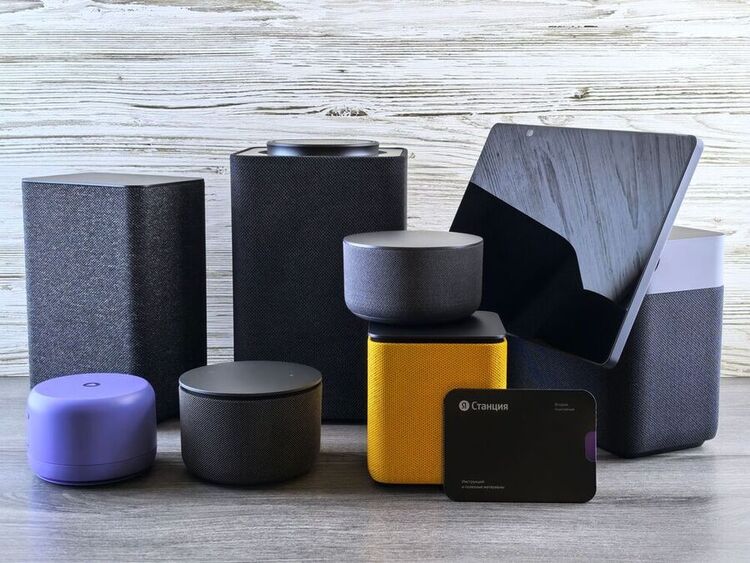
Smart speakers have become a central part of modern smart homes. From controlling lights and playing music to answering questions and managing schedules, these devices are changing how people interact with technology. Among the most popular options today are the Amazon Echo and Google Nest.

If you are planning to upgrade your home or start building a smart home ecosystem, you’ve likely come across the debate: Amazon Echo vs Google Nest – which is better? The truth is, both are powerful, intelligent, and widely used. However, they differ in features, ecosystem, and user experience.

Understanding the Two Smart Ecosystems

In 2026, the ecosystem rivalry has reached a new level of maturity. With the recent rollout of Matter 1.6, cross-platform friction is finally fading, making it easier for you to mix and match devices regardless of the brand.

The Modern Ecosystem Landscape

Feature Amazon Alexa (Echo) Google Nest (Gemini for Home)
Automation The Utility Champion. Unmatched for complex “chain” routines across third-party hardware. Context-Aware. Strong, but leans more on intelligent suggestions than raw user-defined logic.
Core AI Alexa+. Enhanced voice-based control that feels faster for “command-and-response” tasks. Gemini for Home. Conversational powerhouse; understands multi-step requests and “messy” sentences.
Integration Best for diverse device brands (Ring, TP-Link, various sensors). Best for Google-centric households (Android, Workspace, Chromecast).
Compatibility Massive library of “skills” for specialized, niche smart home gadgets. Leaner, curated integration focus on high-quality smart home brands.

Design and Hardware Philosophies

  • Amazon Echo (The Bold Hub): Amazon’s hardware, such as the Echo Show 8 or Echo Dot Max, continues to prioritize being a prominent, functional “hub” in your room. They often feature more robust audio hardware, making them a popular choice if your smart speaker is also your primary music player.

  • Google Nest (The Aesthetic Blend): Google has shifted toward a “blended” aesthetic. Devices like the Nest Audio or the new Google Home Speaker are designed with soft, fabric-wrapped exteriors that disappear into your decor. They are less about “tech” and more about “home.”

Intelligence: The Gemini vs. Alexa+ Shift

The most significant change in 2026 is the transition to generative AI models:

  • Alexa+: Amazon’s new AI focuses on “situational awareness” (Omnisense). It excels at knowing where you are in the house and what you are doing, allowing it to turn off lights in an empty room or adjust the environment based on your movement. It remains the most responsive choice for users who want a smart home that “just works” for hardware control.

  • Gemini for Home: Google has pivoted toward conversational logic. You no longer need to speak like a robot; you can talk to a Nest speaker as you would a person. It handles “follow-up” questions (e.g., “What’s the weather?” followed by “What should I wear for that?”) with perfect context retention.

The Matter Factor (The Great Unifier)

In mid-2026, the release of Matter 1.6 has fundamentally changed how these systems interact.

  • Joint Fabric: This new feature allows you to “share” a device across multiple ecosystems. If you set up a smart light with Google Home, you can now expose that same device to an Amazon Echo without needing a secondary setup.

  • NFC Commissioning: Setting up new smart devices is now as simple as tapping your phone against them, removing the frustration of scanning QR codes or entering manual setup codes.

 How to Choose in 2026

In 2026, choosing between Amazon Echo vs Google Nest comes down to your lifestyle and ecosystem preference. Both are powerful smart assistants, but Amazon Echo is ideal for affordability and wide smart home compatibility, while Google Nest stands out for smarter AI responses and deep Google integration. The best choice is simply the one that fits seamlessly into how you already use your phone, apps, and smart devices.

  • Choose Amazon Echo if: You are building a “utility” smart home. If you want to connect a dozen different brands of sensors, lights, and locks, and you need a routine that triggers an action based on complex conditions, Alexa+ is the undisputed king of home automation.

  • Choose Google Nest if: You want a “conversational” assistant. If your smart home is primarily for asking questions, managing your calendar, and seamless media casting (YouTube/Chromecast), the Gemini-powered Google Nest system will feel significantly more natural and human-like to use daily.

Pro-Tip for Kelly Digital: Since your agency focuses on digital strategy, you might find Google Nest more productive for your workflow, as its deep integration with Google Calendar and Workspace can help you manage your daily agency tasks and client meetings much more efficiently.

Would you like me to help you map out a “Smart Office” automation routine that leverages these new generative AI features for your daily marketing tasks?

Smart Home Integration

In 2026, the choice between Amazon Echo (Alexa) and Google Nest (Google Assistant) largely depends on whether you prioritize automation utility or conversational intelligence. Both ecosystems now support the Matter smart home standard, which has significantly improved cross-brand compatibility.

Quick Comparison: The 2026 Landscape

Feature Amazon Echo (Alexa) Google Nest (Google Assistant)
Smart Home Automation Superior. Best-in-class for chaining devices into complex, reliable routines. Good. Strong, but feels more focused on convenience than raw automation power.
Conversational AI Improved, but can feel more “command-based.” Leading. Thanks to Gemini AI integration, it excels at natural, context-aware conversations.
Device Compatibility Widest. Supports the most third-party gadgets and off-brand accessories. Focused. Works exceptionally well with Nest, Chromecast, and Google services.
Search & Information Functional, but often steers toward retail/Amazon answers. Best. Leverages Google Search for accurate, real-time, and human-like answers.
Smart Displays Feature-rich. Echo Show devices offer a wide variety of sizes and “hub” functionality. Aesthetic. Designed as clean, photo-frame-style displays that prioritize privacy.

Key Strengths Explained

Both Amazon Echo vs Google Nest offer strong smart assistant features, but they shine in different areas. Amazon Echo is best known for affordability and broad smart home compatibility, while Google Nest stands out for smarter AI responses and deeper integration with Google services.

Why Choose Amazon Echo (Alexa)?

Amazon Echo is ideal for affordable, easy smart home control with wide device compatibility. Powered by Alexa, it offers strong automation, thousands of skills, and seamless integration with Amazon services, making it a practical choice for everyday use.

  • The Utility Champion: If your priority is building a “smart home” rather than just a “smart speaker,” Alexa is the winner. Its routines engine is highly flexible, allowing you to chain dozens of actions across various brands (e.g., “When the front door opens, turn on the lights, adjust the thermostat, and announce the arrival”).

  • Broad Compatibility: Alexa remains the “universal” smart home language. If you own hardware from many different manufacturers (sensors, plugs, locks, cameras), Alexa is far more likely to tie them together in a single app without needing complex bridges.

  • Best for “Power Users”: If you want to customize your home to react automatically to your presence or specific triggers, Amazon’s ecosystem offers more granularity.

Why Choose Google Nest?

Google Nest is best for users who want smarter voice assistance and strong integration with Google services. Powered by Google Assistant, it offers accurate responses, smooth everyday usability, and a more intelligent smart home experience.

  • The Brains of the Operation: Google Assistant has leaped ahead in 2026 due to Gemini AI. It understands “messy” human speech much better. You can give a vague command, change your mind mid-sentence, or ask follow-up questions without needing to repeat the context.

  • Google Ecosystem Integration: If your life revolves around Google Calendar, Gmail, Maps, and YouTube, Google Nest is a natural extension. It manages your daily schedule and travel times with a level of integration that Alexa cannot match.

  • Superior Search: When you ask, “How do I fix a leaky faucet?” or “Who won the game last night?”, Google provides a clean, web-powered answer, whereas Alexa often feels like it is trying to push you toward an Amazon shopping link.

Privacy and Security Considerations

Both companies have reached a point where privacy is a core design feature:

  • Physical Control: Both platforms include hardware mute switches and camera shutters or toggles.

  • Data Handling: Google is generally considered more transparent with its account-level privacy settings (MyActivity). Amazon allows you to opt out of voice recording storage entirely, though Google’s default is to not store audio unless you manually enable it.

  • Recommendation: Regardless of the brand, set your account to auto-delete voice history every 3 months and enable two-factor authentication on your primary Amazon or Google accounts to lock down your home’s security.

Which fits the Kenyan Context?

In the Kenyan market, both systems are widely available, but your decision should be guided by your existing digital life:

  1. If you are an Android user: Go with Google Nest. The integration with your phone’s notification, calendar, and media casting (Chromecast) is seamless.

  2. If you are a heavy Amazon shopper or have “device-heavy” needs: Go with Amazon Echo. The sheer variety of affordable, compatible third-party sensors and plugs available in local shops (often tagged as “Works with Alexa”) makes it easier to expand your setup over time.

Pro-Tip: If you decide to go with a smart display for your office, the Echo Show 8 is widely regarded as the “gold standard” for a balanced, functional device in 2026, while the Nest Hub Max is the better pick if you want a clean, minimalist display that integrates perfectly with your Google Workspace.

Amazon Echo vs Google Nest

There is no single winner in the Amazon Echo vs Google Nest debate. Instead, the best choice depends on your lifestyle.

  • Amazon Echo wins in: affordability, smart home compatibility, and device variety
  • Google Nest wins in: intelligence, search capability, and ecosystem integration

If you want a budget-friendly and highly flexible smart home system, Amazon Echo is ideal.
If you want a smarter, more AI-driven assistant experience, Google Nest is the better choice.

Get the Best Smart Speakers in Kenya Today

Choosing between Amazon Echo vs Google Nest ultimately depends on your lifestyle and what you value most in a smart assistant. Both devices offer powerful features, from voice control and smart home automation to music streaming and daily task management. However, Amazon Echo is ideal for users who want affordability and wide device compatibility, while Google Nest is perfect for those who prefer smarter AI responses and deep integration with Google services.

Looking to upgrade your home with the latest smart speakers, smart displays, or voice assistants? Visit Phoneshop Kenya for the best deals on original smart devices, including Amazon Echo and Google Nest products. Enjoy affordable prices, genuine products, and fast delivery across Kenya. Upgrade Your Smart Home Today with Phoneshop Kenya

best smart home devices to buy in kenya in 2026

Best Smart Home Devices to Buy in Kenya in 2026

Smart home technology is rapidly transforming how people live, work, and interact with their homes. In Kenya, more households are adopting connected devices that improve convenience, security, energy efficiency, and entertainment. From smart lighting systems to voice assistants and intelligent security cameras, the modern home is becoming more automated than ever before.

Choosing the Best Smart Home Devices to Buy in Kenya in 2026 depends on your needs, budget, and the level of automation you want to achieve. Whether you are upgrading your home or starting from scratch, smart devices can significantly enhance comfort and efficiency.

What Are Smart Home Devices?

Smart home devices are interconnected electronic gadgets that communicate via the internet or local wireless networks, allowing you to manage your living space remotely through a smartphone, tablet, or voice assistant. By bridging the gap between hardware and software, these devices automate repetitive daily chores, transforming a static house into a responsive, intelligent environment.

Their primary value lies in their ability to handle mundane tasks—such as adjusting climate, monitoring security, or managing power consumption—without requiring your constant attention. Consequently, the best smart home devices seamlessly combine convenience, safety, and energy efficiency, resulting in a more streamlined and modern living experience.

Why Smart Homes Are Becoming Popular in Kenya

The rapid expansion of the smart home market in Kenya is driven by a unique confluence of technological accessibility and evolving lifestyle needs:

  • Increased Internet Access: The widespread availability of high-speed fiber and 4G/5G mobile internet in major urban centers has provided the necessary backbone for stable, real-time device connectivity.

  • Market Accessibility: As manufacturing scales globally, the entry price for smart gadgets has dropped significantly. This affordability has allowed middle-class households to begin experimenting with smart technology.

  • Urban Lifestyle Demands: In bustling cities like Nairobi and Mombasa, busy professionals increasingly rely on automation to manage their homes efficiently, saving time and reducing the cognitive load of everyday household management.

  • Security Consciousness: With an growing demand for robust property protection, smart security systems offer a level of transparency and immediate response that traditional locks and basic alarms cannot match.

Key Categories of Smart Home Technology

Smart home technology is divided into several key categories, each designed to improve comfort, security, and efficiency in modern living. These categories include smart security systems, smart lighting, smart entertainment devices, and smart appliances, all working together to create a fully connected and automated home experience.

1. Smart Speakers (The Central Hub)

Smart speakers, such as the Amazon Echo and Google Nest, serve as the “brain” of your home. Beyond streaming music, they act as an interface for your voice commands, allowing you to control lighting, temperature, and security without ever touching a switch.

2. Smart Security Cameras

These devices provide a critical layer of protection. With HD/4K recording, motion-triggered mobile alerts, and night vision, they allow you to monitor your premises from anywhere in the world, providing invaluable peace of mind.

3. Smart Lighting Systems

Lighting is often the entry point for most users. You can adjust brightness, change colors, or set automated schedules to mimic your presence while you are away. Furthermore, LED-based smart bulbs significantly reduce electricity consumption compared to traditional lighting.

4. Smart Plugs

These are arguably the most versatile tools for beginners. By plugging a standard appliance—like a coffee maker, fan, or floor lamp—into a smart plug, you gain remote on/off control, scheduling capabilities, and energy usage tracking.

5. Smart TVs

Modern smart TVs serve as the hub for digital media. With integrated streaming apps, voice assistant support, and 4K/HDR capabilities, they have evolved from passive screens into interactive entertainment centers.

6. Smart Door Locks

Smart locks offer keyless entry via fingerprint scanners, PIN codes, or smartphone apps. They are particularly popular among Airbnb hosts and modern households because they allow for temporary guest access and activity logging.

7. Smart Climate Control (Thermostats/Sensors)

Although the climate in Kenya is relatively temperate, smart temperature and humidity sensors are becoming common in modern apartments. They optimize comfort and energy usage by learning your daily habits and adjusting the environment accordingly.

Pro-Tip: If you are planning to invest in these devices, you should always check for “ecosystem compatibility.” For instance, if you already use an Android phone, starting with a Google-compatible device ensures a smoother experience than mixing systems from disparate brands.

Comparison of the Best Smart Home Devices

The Best Smart Home Devices vary in function, price, and features, ranging from security systems and smart lighting to entertainment and automation tools. Comparing them helps users choose the right combination based on their needs, budget, and level of home automation.

Device Type Function Ease of Use Price Range Best For
Smart Speakers Voice control Easy Mid Beginners
Security Cameras Home monitoring Easy Mid Security
Smart Lights Lighting control Very easy Low Energy saving
Smart Plugs Appliance control Very easy Low Beginners
Smart TVs Entertainment Easy High Entertainment
Smart Locks Security Medium High Homes & offices
Smart Thermostats Temperature control Medium High Energy efficiency

How to Choose the Best Smart Home Devices

Selecting the right smart home technology involves focusing on your actual needs rather than just the latest gadgets. To make an intelligent investment, follow these guidelines:

  • Define Your Concrete Needs: Begin by identifying the problems you want to solve. Instead of asking what you can automate, ask what causes you stress, wastes your time, or makes you feel insecure. For example, if you frequently worry about the house while away, prioritize security cameras and smart locks. If you want to reduce electricity costs, focus on smart lighting and connected thermostats.

  • Prioritize Compatibility: Ensure that all your devices communicate within a unified ecosystem. Popular platforms like Google Home, Amazon Alexa, or Apple HomeKit allow you to manage various gadgets from a single interface. Look for “Matter” compatibility, a new industry standard that ensures devices from different brands work together seamlessly.

  • Plan for Scalability: You do not need to overhaul your entire home at once. Start small with basic, high-impact devices like smart plugs or LED bulbs. As you become comfortable with the technology, you can progressively add more complex systems like sensors or integrated climate control.

  • Evaluate Security and Privacy: Because your home is interconnected, prioritize devices from reputable brands that offer robust security measures, such as encryption and multi-factor authentication. Always check if a device requires a cloud connection and consider whether you are comfortable with how your data is handled.

  • Assess Installation Requirements: Some devices are plug-and-play, while others may require professional setup. If you are not tech-savvy, opt for products with guided app instructions to avoid the frustration of complex wiring.

Beginner-friendly Devices

To help you start building your smart home, I have compiled a list of beginner-friendly devices that are popular in the Kenyan market for their reliability, ease of setup, and compatibility with major platforms like Google Home and Amazon Alexa.

Recommended Starter Smart Devices

Device Category Recommended Product / Brand Why It’s Great for Kenya
Smart Plugs TP-Link Tapo P100/P110 Allows you to remotely turn off appliances; the P110 version even monitors energy consumption to help you manage electricity bills.
Smart Lighting Philips Hue or Xiaomi Mi LED Reliable, vibrant, and integrates seamlessly with Google Home for voice-controlled mood lighting.
Security Cameras TP-Link Tapo C200 / C210 Very popular in Kenya; offers affordable 360-degree monitoring, two-way audio, and local storage (microSD) so you aren’t reliant on cloud subscriptions.
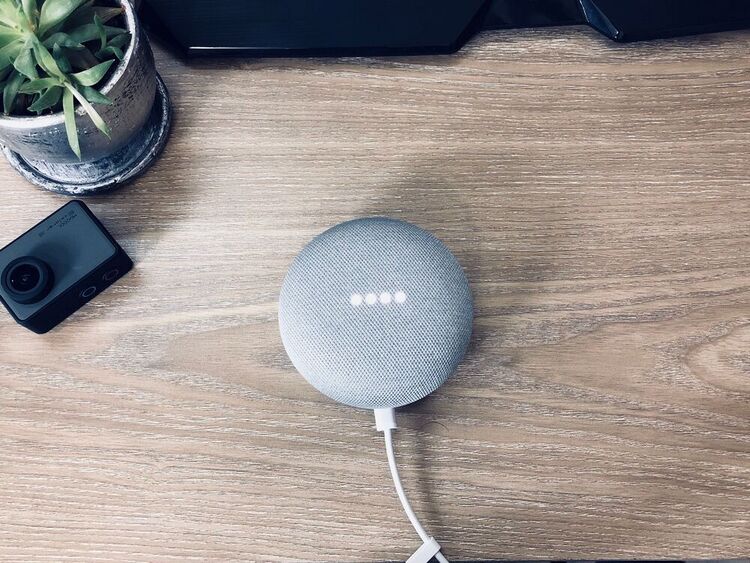
Smart Hubs Google Nest Mini Acts as the “brain” of your home; it’s an affordable speaker that lets you control all your connected devices using voice commands.
Smart Locks Yale Smart Locks Highly secure, well-supported locally, and allows you to grant guest access or check if your door is locked while you are away.

Vital Considerations for the Kenyan Market

When choosing the Best Smart Home Devices in Kenya, it is important to consider factors such as internet reliability, device compatibility, affordability, and local availability. These considerations ensure smooth performance, value for money, and easy integration into everyday home setups.

  • Internet Stability: Most of these devices require a constant 2.4GHz Wi-Fi signal. If you have a large home, consider a Mesh Wi-Fi system (like TP-Link Deco) to ensure the signal reaches your cameras or locks reliably.

  • Power Protection: Because power fluctuations are common, never connect smart hubs directly to a wall socket. Use a high-quality surge-protected extension cable or a small UPS (Uninterruptible Power Supply) to keep your “brain” device (the hub) powered during short blackouts.

  • Local Support: Stick to brands like TP-Link (Tapo), Xiaomi, and Yale. These have strong distributor networks in Kenya, meaning you can find replacements, get support, and purchase accessories at major local electronics retailers like Urbantec or other reputable shops in Nairobi/Ruiru.

Pro-Tip: Before buying, download the Tapo or Mi Home app on your phone. Even if you don’t have the hardware yet, the apps allow you to simulate how you would organize your devices, which helps you plan your “Smart Home” layout before you spend a single shilling.

4 Benefits of Smart Home Devices

Smart technology is transforming modern living in Kenya by providing tangible improvements to your daily routine:

  1. Enhanced Convenience: Control your entire home environment—from lighting and curtains to entertainment and climate—directly from your smartphone or through simple voice commands.

  2. Improved Security: Smart cameras, doorbells, and locks allow you to monitor your property in real time, receive instant mobile alerts, and manage entry, offering peace of mind even when you are miles away.

  3. Energy Efficiency: Intelligent devices help you monitor consumption and optimize usage. For instance, smart thermostats can adjust temperatures based on occupancy, while automated lighting ensures you never leave lights on in an empty room, significantly lowering utility bills.

  4. Modern Lifestyle: Integrating smart appliances and entertainment systems turns your living space into a connected hub that supports your work, relaxation, and health needs.

The Future of Smart Homes in Kenya

The smart home market in Kenya is poised for significant growth, driven by a unique blend of global innovation and local necessity:

  • Rising Adoption: With the smart home market in Kenya projected to grow steadily, what was once a niche for the wealthy is becoming a mainstream expectation in new residential developments.

  • Local Priorities: Unlike markets that focus on “luxury” automation, Kenyan households are increasingly prioritizing affordable security and energy management. Developers are responding by integrating fiber-ready connectivity and solar-smart inverters into new housing projects.

  • The AI Revolution: As artificial intelligence advances, homes will move beyond simple “on/off” automation. Future systems will anticipate your needs, such as automatically adjusting your lighting and air quality as you enter a room or preparing your appliances based on your daily habits.

  • Overcoming Challenges: While high initial costs and infrastructure gaps—such as power and internet stability—remain, the shift toward integrated “smart living” is becoming a standard feature of modern Kenyan construction, particularly in urban centers like Nairobi.

Pro-Tip for Kenyan Homeowners: Given the local focus on reliability, prioritize smart devices that support offline functionality or have battery backups. For areas with frequent power fluctuations, integrating smart plugs with a reliable surge protector or connecting your smart hub to a small UPS (Uninterruptible Power Supply) can help keep your system stable and prevent data loss.

Upgrade Your Home with Smart Technology Today

Choosing the Best Smart Home Devices to Buy in Kenya in 2026 can transform your lifestyle by improving convenience, security, and energy efficiency. From smart speakers and lighting systems to advanced security cameras and smart locks, these devices make everyday life easier and more connected.

As smart technology continues to evolve, investing in these devices is no longer a luxury but a practical step toward modern living. For the best deals on smart home devices, smart TVs, smartphones, and other electronics in Kenya, visit PhoneShop Kenya. They offer reliable, high-quality products at competitive prices, helping you build a fully connected smart home with ease. Start your smart living journey today with PhoneShop Kenya.

how to take professional photos

How to Take Professional Photos (2026 Guide)

Photography has become an essential skill in today’s digital world. Whether you are creating content for social media, running a business, or simply capturing memories, knowing How to Take Professional Photos can significantly improve the quality of your images. You no longer need an expensive studio setup to produce stunning photos—modern smartphones, entry-level cameras, and a good understanding of photography principles are often enough.

With the rise of Instagram, TikTok, and online branding, high-quality images are now more important than ever. Professional-looking photos help you stand out, attract attention, and communicate your message more effectively. In this guide, you will learn practical techniques, tools, and tips on How to Take Professional Photos like a pro, even if you are just starting out.

1. Understanding Photography Basics

Mastering the fundamentals is the most critical step in transitioning from a casual shooter to a visual storyteller. In 2026, technology does much of the heavy lifting, but understanding these core principles remains the difference between a “lucky” shot and a professional composition.

  • The Power of Lighting: Light dictates the mood, texture, and emotional depth of your image.

    • Golden Hour: The period just after sunrise or before sunset provides a soft, golden glow that minimizes harsh shadows.

    • Blue Hour: The window just before sunrise or after sunset offers a cool, moody atmosphere perfect for cityscapes.

    • Harsh Light: While often avoided, direct overhead sun can be used for high-contrast, dramatic black-and-white photography if handled with intent.

  • Composition: This is the language of photography. It is how you guide the viewer’s eye through your story.

    • Rule of Thirds: Imagine a 3×3 grid over your frame. Placing your subject on one of the intersection points creates a more dynamic and balanced composition than centering everything.

    • Framing: Use elements in the environment—like windows, archways, or tree branches—to create a “frame within a frame” that draws attention to your subject.

  • Focus: A crisp image is the hallmark of a professional. When shooting portraits, always focus on the eye closest to the camera to build an immediate emotional connection with the viewer.

2. Choosing Your Gear

In the current 2026 market, your gear should match your output goals rather than your budget.

  • Smartphone Evolution: Modern flagship phones use “computational photography”—they take multiple frames instantly and use AI to merge them. Always ensure you are shooting in RAW format if you want to perform serious color grading later.

  • Mirrorless Cameras: These have largely replaced DSLRs. They are quieter, lighter, and feature “Electronic Viewfinders,” which show you exactly what the final photo will look like before you press the shutter—an invaluable tool for learning.

  • Lenses: A lens is an investment in your “look.” A 35mm lens is the ultimate storyteller’s tool, mimicking the human field of view, while an 85mm lens is the gold standard for flattering, dreamy portraiture.

3. The “Exposure Triangle”: Mastering Settings

You can think of the Exposure Triangle as a balancing act. If you change one element, you must adjust another to maintain consistent brightness.

Setting Function Pro-Tip
ISO Sensitivity to light Keep this as low as possible (100–200) to avoid “digital noise” or grain.
Aperture The “iris” of the lens Use f/1.8 for portraits (blurry background) and f/11 for landscapes (sharp detail everywhere).
Shutter Speed The length of the shutter opening Use 1/500s or faster to freeze sports; use a tripod and 1s+ for silky, flowing water.

4. Advanced Lighting & Composition

Professionalism comes from control. Stop taking light and start making it.

  • Artificial Lighting: For “Kelly Digital” professional projects, don’t just rely on overhead office lights. Use a three-point lighting setup: a Key Light (main), a Fill Light (soften shadows), and a Backlight (separate the subject from the background).

  • Symmetry and Pattern: Breaking symmetry can sometimes create tension, but achieving perfect symmetry creates a sense of harmony and authority, which is ideal for architectural or product shots.

  • Background Control: If you cannot control the background, change your angle. Lowering your camera to the ground can replace a cluttered street scene with a clean blue sky or a solid wall.

5. The Professional Post-Production Workflow

Editing is not about “fixing” a bad photo; it is about finalizing your creative vision.

  • Lightroom Mobile: This remains the industry standard. Use it to perform global adjustments (exposure, white balance) first, then use Masking to perform local adjustments (brightening just the face, darkening the sky).

  • Snapseed: Excellent for “surgical” edits, such as removing a stray trash bin in the background using the Healing tool.

  • Consistency: The secret to a professional social feed is color grading consistency. Use the same “Preset” or “Look” across your portfolio so your brand identity is instantly recognizable.

  • The 20-Minute Rule: When you finish editing, walk away for 20 minutes. When you return, you will immediately see if you have pushed the contrast or saturation too far.

Pro-Tip for Ruiru/Nairobi Creators: If you are shooting outdoors, be mindful of the rapid weather changes in the Kiambu area. Always carry a basic microfiber cloth to wipe your lens; even a small smudge of dust or moisture can ruin the clarity of a professional shot.

Advanced Photography Techniques

Beyond the fundamentals of exposure and composition, advanced photography requires mastering light manipulation, timing, and specialized gear to achieve unique results.

  • Long Exposure: By using slow shutter speeds (often 10–30 seconds), you can turn flowing water into a smooth mist, create vibrant light trails from moving vehicles, or capture star trails in a night sky. A sturdy tripod is essential here to prevent blur.

  • Focus Stacking: This technique is critical for macro and landscape photography. You take multiple photos of the same scene, each focused at a different distance, and blend them in post-processing software to ensure everything from the foreground to the background is tack-sharp.

  • High-Speed Photography: To freeze rapid motion—such as a water droplet splash—use an extremely fast shutter speed (1/1000s or faster) combined with high-intensity lighting or a strobe to catch details invisible to the naked eye.

  • Light Painting: In a dark environment, move a light source (like a flashlight or glow stick) during a long exposure to “draw” shapes, text, or paths in the air, creating surreal, artistic visuals.

  • Tilt-Shift Photography: Whether using a specialized lens or software adjustments, this creates a shallow depth of field that makes real-world scenes look like miniature models.

5 Common Photography Mistakes to Avoid

Even seasoned photographers can fall into habits that detract from their work. Avoiding these traps is often the fastest way to improve.

  1. Reliance on Auto Mode: The camera’s automatic settings often misinterpret the scene’s intent. Start experimenting with Aperture Priority (Av) or Shutter Priority (Tv) to take creative control of your depth of field and motion.

  2. Neglecting the Background: A distracting background (like a telephone pole seemingly “growing” out of a subject’s head) can ruin a great portrait. Always scan the entire frame before pressing the shutter.

  3. Poor Lighting Quality: Shooting in harsh, direct midday sun creates unflattering, deep shadows. Try to shoot during the “Golden Hour” (shortly after sunrise or before sunset) for soft, warm, and dimensional light.

  4. Over-Editing: It is tempting to push sliders for saturation and contrast to the maximum. Instead, aim to enhance the photo’s natural colors. If you find yourself over-editing, walk away from the screen and revisit the image an hour later with “fresh eyes.”

  5. Unsteady Hands: If you aren’t using a tripod, ensure your shutter speed is fast enough to compensate for camera shake. A good rule of thumb is to use a shutter speed at least equal to your focal length (e.g., at 50mm, use 1/50s or faster).

5 Tips for Taking Professional Photos

To consistently deliver high-quality images, treat your photography as a deliberate craft rather than a hobby.

  1. Meticulous Planning: Create a “shot list” before you arrive at a location. Understanding your goal, lighting conditions, and potential angles saves significant time.

  2. Focus on the Eyes: In portraits, the eyes are the “anchor” of the image. Always ensure they are perfectly sharp, as this is where viewers naturally look first.

  3. Use Leading Lines: Utilize natural environmental lines—like a winding road, a fence, or architectural edges—to draw the viewer’s eye directly toward your subject.

  4. Practice Intentionality: Don’t just “spray and pray” by taking hundreds of random shots. Take your time to compose, check your settings, and shoot with a specific purpose for every frame.

  5. Study & Collaborate: Observe the work of photographers you admire, not to copy them, but to deconstruct how they use light and composition.

Building a Unique Photography Style

In 2026, technical perfection is easier to achieve through AI, which makes having a “human” style more important than ever.

  • Develop a Visual Identity: Stick to a consistent editing workflow—such as specific color palettes or contrast levels—that makes your work instantly recognizable.

  • Specialize: Rather than trying to shoot everything, focus on a specific niche (like documentary portraits or architectural photography). The market increasingly rewards creators who bring a unique perspective to a specific field.

  • Prioritize Presence: The most valuable “style” in 2026 is authenticity. AI can generate a perfect, posed image, but it cannot capture a genuine human emotion or the specific “vibe” of a moment you were physically present for. Lean into the “imperfect” and observational moments.

The Future of Photography in 2026

The photography landscape is currently undergoing a massive shift:

  • AI Integration: AI is now seamlessly integrated into the camera’s workflow, handling real-time noise reduction, skin retouching, and sky replacement. This has effectively “democratized” technical quality.

  • Merging Photo and Video: Modern workflows treat photos and videos as a single entity. The most successful photographers are now expected to produce high-quality stills and high-fidelity social content simultaneously.

  • The “Human” Premium: Because software can now produce “technically perfect” images, the commercial value has moved toward photographers who provide emotional intelligence, anticipation, and the ability to read a room—things AI still cannot replicate.

Upgrade Your Photography Skills Today

Learning How to Take Professional Photos is a valuable skill that can enhance your personal brand, business, or creative career. With the right knowledge of lighting, composition, camera settings, and editing, anyone can create stunning professional images.

Whether you use a smartphone, DSLR, or mirrorless camera, practice and consistency are key to improvement. For the best cameras, smartphones, accessories, and photography gear in Kenya, visit PhoneShop Kenya. They offer high-quality devices at competitive prices, helping you get everything you need to take your photography to the next level. Start capturing professional photos today with the right tools and expert guidance.

Best Vlogging Camera

Best Vlogging Camera (2026 Guide)

Vlogging has become one of the fastest-growing forms of content creation in Kenya and around the world. From travel videos and lifestyle content to tech reviews and daily routines, creators rely heavily on high-quality visuals to engage their audience. Because of this, choosing the Best Vlogging Camera is one of the most important decisions for any aspiring or professional content creator.

A good vlogging camera does more than just record video. It ensures sharp image quality, smooth stabilization, clear audio support, and ease of use in different environments. Whether you are shooting indoors, outdoors, or while traveling, the right camera can significantly improve your storytelling and audience engagement.

What Makes a Good Vlogging Camera? (2026 Edition)

Beyond basic resolution, modern vlogging is defined by how well a device integrates into a creator’s workflow. In 2026, the industry has shifted toward cameras that handle “behind-the-scenes” processing—like stabilization, lighting, and audio—automatically, allowing you to focus on the story.

1. Essential Performance Pillars

  • Video Quality & AI Processing: While 4K/60fps is the current standard, the “look” of your footage is now dictated by sensor size (1-inch or larger is preferred for natural bokeh) and AI-driven noise reduction, which maintains clarity in dim environments.

  • Stabilization: Modern standards like HyperSmooth 7.0 or 3-axis mechanical gimbals ensure that handheld footage remains fluid without needing bulky external support rigs.

  • Audio Integrity: Advanced cameras now feature multi-mic arrays that can isolate your voice from background wind or ambient noise. Dedicated 3.5mm inputs remain vital for professional wireless lavalier integration.

  • Intelligent Autofocus: Fast, eye-tracking autofocus that recognizes subjects instantly—even when moving toward or away from the camera—is non-negotiable for solo creators.

  • Connectivity & Workflow: Features like instant vertical recording, Wi-Fi 6 for rapid file transfer, and “plug-and-play” live streaming capabilities are what make a camera truly “vlog-ready” in 2026.

Leading Vlogging Cameras for 2026

As of June 2026, the market has moved beyond the original models you mentioned. Here is the updated landscape:

Camera Model Why It’s Still Relevant Modern Upgrade/Alternative
Sony ZV-1 Remains a reliable, compact classic for beginners. Sony ZV-1M2 (Wider lens, updated UI, and better USB-C streaming).
Canon G7 X Mark III Loved for its “look” and ease of use. Canon PowerShot G7X Mark IV (Improved AF and better low-light handling).
DJI Pocket 2 A solid, stabilized entry-level tool. DJI Osmo Pocket 3 (Larger 1-inch sensor, rotatable screen, and vastly better low-light performance).
GoPro HERO12 Excellent value for rugged use. GoPro HERO13 Black (Better battery, faster GP3 processor, and magnetic mounting).
Panasonic G100 Good hybrid for those who like lenses. Sony ZV-E10 II (Current industry leader for interchangeable lens vlogging).

Detailed Breakdown of Top Recommendations

Vlogging has become a major part of modern content creation, with creators using video to share stories, experiences, and tutorials across platforms like YouTube, TikTok, and Instagram. Choosing the Best Vlogging Camera is essential for producing high-quality, engaging content that stands out and connects with viewers effectively.

1. Sony ZV-1M2 (The Compact All-Rounder)

This is the evolution of the original ZV-1. It is designed for those who want a “point-and-shoot” experience that produces professional-looking, high-bitrate video. Its wider lens is particularly useful for selfie-style vlogging where you need to fit more of the scenery in the frame.

2. Canon PowerShot G7X Mark IV

Canon maintains the G7X’s reputation by refining the “natural skin tones” that beauty and lifestyle vloggers love. It remains the gold standard for creators who want a camera that looks great on social media without requiring heavy color grading in post-production.

3. DJI Osmo Pocket 3 (The Game-Changer)

If you prioritize travel or daily carry, the Pocket 3 is currently unrivaled. Because it features a mechanical 3-axis gimbal and a 1-inch sensor, it produces “cinematic” smoothness that digital stabilization (even in high-end mirrorless cameras) struggles to match. Its rotating screen also makes it the only camera that handles both horizontal (YouTube) and vertical (TikTok/Reels) shooting seamlessly.

4. GoPro HERO13 Black (The Durability King)

For adventure or sports, the HERO13 is the future-proof choice. With its new GP3 processor, it manages heat better than the 12, supports magnetic mounting for quick transitions, and offers significantly better low-light performance.

5. Sony ZV-E10 II (The Professional’s Choice)

If you are ready to move into professional-level content, this is the go-to. By using interchangeable lenses (like a 10-18mm wide-angle for vlogging or a 35mm for interviews), you gain complete control over your creative look. It is the perfect bridge between a “vlogging tool” and a “cinema camera.”

Comparison of the Best Vlogging Cameras

The Best Vlogging Camera options differ in features such as video quality, stabilization, portability, and price. Comparing them helps creators identify the right camera based on their content style, budget, and overall production needs.

Camera Model Video Quality Stabilization Portability Best For
Sony ZV-1 4K Good High Beginners
Canon G7 X Mark III 4K Good High Lifestyle vloggers
DJI Pocket 2 4K Excellent Very High Travel creators
GoPro HERO12 5.3K Excellent High Adventure vloggers
Panasonic G100 4K Good Medium Professionals

How to Choose the Best Vlogging Camera

Selecting the ideal vlogging camera in 2026 requires balancing your specific creative goals with practical hardware requirements. To make an informed choice, you should evaluate the following factors:

  • Type of Content: Your genre dictates the form factor you need.

    • Travel and On-the-Go: Choose compact, gimbal-stabilized cameras like the DJI Osmo Pocket 3 or action cameras like the Insta360 GO Ultra. These prioritize portability and stabilization for moving shots.

    • Daily Lifestyle and Talking Heads: Mirrorless cameras like the Sony ZV-E10 II or Canon PowerShot V1 are excellent. They offer larger sensors for a cinematic look and better low-light performance.

    • Professional Productions: If you need raw recording formats, extensive lens selection, and advanced color grading, consider professional mirrorless bodies like the Nikon ZR or Sony ZV-E1.

  • Budget vs. Value: While flagship models offer AI-assisted tracking and 8K recording, mid-range options are often more than sufficient for social media platforms like TikTok or YouTube. Assess whether you need “pro” features or if a robust “all-in-one” kit will better suit your workflow.

  • Ease of Use: If you are a beginner, look for “vlogger-friendly” features: flip-out touchscreens, intuitive gesture control, and robust “Auto” modes that handle exposure and focus for you.

  • Audio and Connectivity: High-quality video is only half the battle. Ensure the camera includes a dedicated 3.5mm external mic jack and wind-guard capabilities. For professional setups, look for cameras that support wireless audio integration or external recorder connectivity.

4 Benefits of Using a Dedicated Vlogging Camera

While modern smartphones are computationally impressive, dedicated cameras still dominate professional content creation for several fundamental reasons:

  • Optical Quality: Physics remains the ultimate differentiator. Larger sensors (such as 1-inch or full-frame) capture significantly more light than smartphone sensors, resulting in deeper dynamic range, cleaner shadows, and natural optical background blur (bokeh) rather than simulated, “choppy” software-based blur.

  • Professional Workflow: Dedicated cameras allow for manual control over shutter speed, aperture, and ISO, which are vital for achieving a cinematic “film look.” Additionally, they support higher bitrates and professional video profiles (Log/ProRes), providing massive flexibility during color grading.

  • Reliability and Versatility: Unlike smartphones, which are prone to thermal throttling during long 4K recording sessions, dedicated vlogging cameras are engineered for continuous capture. Furthermore, they allow for physical lens swaps—telephoto for reach, ultra-wide for group shots, or macro for product details—providing creative options no phone can physically replicate.

  • Mounting Ecosystem: You gain access to a professional creator ecosystem, including shotgun mics, cold-shoe lights, and various tripod/gimbal configurations that turn your setup into a stable, ergonomic rig.

Vlogging Kits for Beginners

These kits focus on ease of use, compact form factors, and all-in-one functionality to help you start recording immediately without complex setups.

Camera Model Best For Estimated Price (KSh) Key Advantage
DJI Osmo Pocket 3 Travel & Solo Vlogging 67,500 Integrated gimbal stabilization and “run-and-gun” portability.
Sony ZV-1F Lifestyle/YouTube 65,000 User-friendly, purpose-built for vlogging with a wide-angle lens.
GoPro HERO13 Black Adventure/Sports 45,000 Rugged, waterproof, and ideal for action-oriented content.

Recommended Beginner Accessory: A simple vlogging kit often includes a mini-tripod, a basic LED light, and a smartphone adapter. You can find “Video Making Kits” starting from as low as KSh 2,500 – KSh 4,500 at specialized retailers in Nairobi.

Vlogging Kits for Professionals

These setups provide advanced creative control, interchangeable lenses, and superior image quality required for higher-production-value content.

Camera Model Best For Typical Body/Kit Price (KSh) Key Advantage
Sony ZV-E10 II Ambitious Content 90,000 – 110,000 Interchangeable lenses, professional autofocus, and 4K/60p recording.
Nikon Z30 Landscapes/Products 80,000 – 100,000 Exceptional color science and comfortable ergonomics for long shoots.
Sony ZV-E1 High-end Cinema 250,000+ Full-frame sensor, cinematic color profiles, and advanced AI tracking.

Recommended Professional Accessories:

  • Audio: Invest in wireless lavalier systems like the DJI Mic Mini 2 (approx. KSh 15,000) or Hollyland Lark M2S (approx. KSh 16,000) for professional-grade audio.

  • Stability: A high-quality smartphone or camera gimbal (like the DJI Osmo Mobile series) provides smooth cinematic pans for fixed setups.

  • Lighting: Look for studio LED panels (such as the GVM LS-150D) to ensure your subject is well-lit in indoor settings.

Tips for Purchasing in Kenya

When buying the Best Vlogging Camera in Kenya, it is important to consider factors such as budget, camera features, warranty, and availability of accessories. Choosing a reliable seller and ensuring after-sales support can also help you get the best value for your investment.

  • Verified Retailers: To ensure you receive genuine hardware, purchase from reputable Kenyan tech retailers such as Phoneplace Kenya, Camera Store Kenya, or ValueHub Kenya.

  • Check the Combo: Often, “Creator Combos” or “Adventure Combos” provide better value than buying the camera body and accessories separately. These usually include batteries, carrying cases, and specialized mounts.

  • SD Card Standards: For 4K recording, always buy V30-rated SD cards (like the SanDisk Extreme Pro). Using cheaper cards can lead to “buffering” issues or data loss during long recording sessions.

  • Local Support: Since you are based in Ruiru/Nairobi, prioritize shops that offer warranty support, as repairing specialized camera equipment requires authorized service centers.

Are you leaning more toward a portable “all-in-one” solution for travel, or are you looking to build a more permanent studio setup for your “Kelly Digital” content?

The Future of Vlogging Cameras in 2026

The vlogging camera landscape is currently being redefined by artificial intelligence and automation, moving away from manual complexity toward “intelligent assistance”:

  • AI Auto-Tracking: Professional-grade subject tracking—which once required a dedicated camera operator—is now built-in. AI-powered cameras can now predict movement, switch between multiple angles, and keep you centered in the frame automatically, even in complex environments.

  • Automated Production: Tools are emerging that can perform “auto-editing,” where the camera or its companion app automatically selects highlight clips, arranges them chronologically, applies transitions, and suggests background music, saving you hours of post-production.

  • Smart Features: Expect future cameras to include integrated gesture recognition for hands-free operation and “Product Review Modes” that automatically override face detection when you hold an item up to the lens.

  • Democratization of Tech: As AI-based video enhancement (such as real-time noise reduction and color balancing) becomes standard, even entry-level cameras are producing broadcast-quality visuals that previously required expensive studio setups.

 Upgrade Your Content Creation Today

Choosing the Best Vlogging Camera depends on your content style, budget, and experience level. Whether you choose the compact Sony ZV-1, the versatile Canon G7 X Mark III, or the action-ready GoPro HERO12 Black, each camera offers unique strengths to help you create high-quality, engaging videos.

Vlogging is no longer just a hobby—it is a powerful way to build a personal brand, grow an audience, and even generate income. For the best deals on vlogging cameras, smartphones, microphones, and other content creation gear, visit PhoneShop Kenya. They offer reliable, high-quality tech products at competitive prices, making it easy to upgrade your setup and start creating professional-level content today.

https://www.security.org/security-cameras/wireless-camera-internet/

Best Action Cameras in Kenya (2026 Guide)

Action cameras have become essential gadgets for content creators, travelers, vloggers, and adventure lovers in Kenya. Whether you are capturing breathtaking safari moments, biking through rugged trails, or recording underwater adventures along the coast, a reliable Best Action Cameras in Kenya ensures every moment is recorded in high quality.

With the rise of social media platforms like YouTube, TikTok, and Instagram, demand for compact, durable, and high-resolution cameras has increased significantly. Today, choosing the Best Action Cameras in Kenya depends on factors such as video quality, stabilization, battery life, waterproof capability, and price.

What Makes a Good Action Camera?

In 2026, a high-quality action camera is defined by more than just durability. As the technology matures, professional users and enthusiasts now prioritize sophisticated sensor hardware, advanced AI processing, and seamless connectivity. When evaluating your options, you should consider these key pillars:

  • Sensor Size and Video Quality: Resolution is no longer the only metric that matters. A larger sensor, ideally 1/1.3-inch or higher, is critical for capturing more light, which translates to better dynamic range and superior performance in dim or challenging lighting conditions. While 4K remains the standard, modern flagships now offer 8K recording, allowing for significant cropping and reframing during post-production without losing detail.

  • Advanced Stabilization: Effective stabilization is non-negotiable for action-heavy footage. You should look for “gimbal-like” electronic image stabilization that uses AI algorithms to compensate for vibrations, keeping your horizon perfectly level even during intense movement like mountain biking or skiing.

  • Durability and Weather Resistance: A reliable camera must be waterproof, ideally to at least 10–12 meters without a housing, and shockproof. Furthermore, you should look for cold-resistance ratings, which ensure consistent battery and component performance during winter sports or extreme environments.

  • AI-Enhanced Workflow: Modern cameras utilize dual AI chips to handle complex tasks locally. Consequently, this includes AI-powered noise reduction for low-light shots, gesture control for hands-free operation, and auto-editing features that identify the best moments in your footage to save you hours of editing time.

  • Connectivity and Versatility: Look for fast file transfer protocols and a robust ecosystem of magnetic mounts, which allow for quick transitions between helmets, handlebars, and tripods.

Top Picks for 2026

The demand for high-quality action cameras continues to grow as more creators focus on travel, adventure, and social media content. The Top Picks for 2026 highlight some of the most reliable, durable, and high-performing devices available, making it easier to choose the Best Action Cameras in Kenya for different needs and budgets.

1. GoPro HERO13 Black

The industry standard continues to lead with its unmatched stabilization and massive accessory ecosystem.

  • Key Features: 5.3K/60fps video, HyperSmooth 6.0, interchangeable lens mods, and a magnetic mounting system.

  • Why It Stands Out: Its industry-first versatility, including the ability to swap lenses that the camera automatically detects, makes it the most flexible tool for pros.

  • Best For: Adventure sports enthusiasts and professional content creators.

2. DJI Osmo Action 6

This model has redefined the balance between low-light performance and creative control.

  • Key Features: 8K/30fps video, massive 1/1.1-inch square sensor, variable aperture, and 4-hour battery life.

  • Why It Stands Out: The variable aperture is a game-changer for action cameras, providing cinematic depth-of-field control that was previously impossible in such a small form factor.

  • Best For: Vlogging, low-light cinematics, and extended travel shoots.

3. Insta360 X5

The ultimate tool for immersive storytelling, the X5 captures everything around you in stunning detail.

  • Key Features: 8K 360-degree video, dual 1/1.28-inch sensors, invisible selfie stick effect, and advanced PureVideo AI mode.

  • Why It Stands Out: It allows you to shoot first and frame later, ensuring you never miss the action because you can reframe the footage into any format after the fact.

  • Best For: Creative filmmakers, social media influencers, and 360-degree storytelling.

4. Insta360 Ace Pro 2

Co-engineered with Leica, this camera is a powerhouse for creators who prioritize image fidelity.

  • Key Features: 1/1.3-inch 8K sensor, dual-chip AI architecture, Leica SUMMARIT lens, and a 2.5-inch flip-up touchscreen.

  • Why It Stands Out: It combines pro-level optics with a highly ergonomic flip-screen, making it the most user-friendly choice for high-end vlogging.

  • Best For: Professional vloggers and creators who need a pocket studio.

5. GoPro Hero (2024 Edition)

The perfect entry point for those who need simplicity without sacrificing performance.

  • Key Features: 4K/30fps, lightweight, waterproof, and intuitive voice control.

  • Why It Stands Out: It is designed to be dead simple; therefore, it provides the essential durability and quality of a GoPro in an ultra-compact package at a much more accessible price point.

  • Best For: Beginners, casual travelers, and those who want a set it and forget it camera.

Pro-Tip for Kenyan Buyers: When purchasing in 2026, verify if the Adventure Combo bundles are available. These often include essential extras like spare batteries, chargers, and carrying cases, which are usually more cost-effective than buying accessories separately after your initial camera purchase.

Comparison of the Best Action Cameras in Kenya

The Best Action Cameras in Kenya come in different models with varying features such as video quality, stabilization, durability, and price. Comparing them helps users quickly identify the right camera based on performance, budget, and content creation needs.

Camera Model Video Quality Stabilization Price Range Best For
GoPro HERO12 Black 5.3K Excellent Premium Professionals
DJI Osmo Action 4 4K Very Good Mid-High Vloggers
Insta360 X3 5.7K 360° Excellent Premium Creators
Akaso Brave 7 LE 4K Good Budget Beginners
GoPro HERO11 Mini 5.3K Excellent Premium Travelers

How to Choose the Right Action Camera

When selecting one of the best action cameras in Kenya, it is essential to align the device’s technical capabilities with your specific lifestyle needs. Before you commit to a purchase, carefully consider these four pillars:

  • Your Budget: While premium flagship models offer cutting-edge sensors and advanced AI features, many mid-range budget models now provide exceptional value for casual users. Determine your spending ceiling early to avoid over-investing in features you might not utilize.

  • Purpose of Use:

    • Travel: Prioritize lightweight, compact models that can fit into a pocket. Ensure the device has a native waterproof rating for beach trips or rainy environments.

    • Vlogging: Look for features like front-facing screens, superior built-in microphones, and top-tier image stabilization to keep your footage smooth while walking and talking.

    • High-Intensity Sports: Focus on ruggedness, impact resistance, and specialized mounting compatibility for helmets, mountain bikes, or off-road vehicles.

  • Video Quality Needs: If your goal is to produce professional-grade content for platforms like YouTube or Instagram, ensure the camera supports at least 4K resolution at 60fps. For cinematic slow-motion shots, check for higher frame rate options, such as 4K at 120fps.

  • Battery Performance: Since action cameras are often used far from power outlets, always choose a model with long battery life or, more importantly, a swappable battery design. Being able to carry a spare battery pack is a game-changer for extended outdoor shoots.

4 Benefits of Using Action Cameras

Action cameras are rapidly gaining traction across Kenya as the go-to tool for capturing life’s adventures due to their distinct advantages:

  • Portability: Their compact, minimalist footprint allows you to take them virtually anywhere, from a hike in Karura Forest to a weekend getaway at the coast, without the bulk of a traditional DSLR.

  • Durability: Unlike standard cameras, action cams are specifically engineered to withstand harsh elements, including dust, extreme temperatures, and water submersion, making them nearly indestructible in outdoor settings.

  • High-Quality Content: Modern sensors and advanced image processing allow these tiny devices to capture stunning, color-accurate footage that is ready for social media, professional filmmaking, or high-definition YouTube uploads.

  • Versatility: With an expansive ecosystem of mounts, you can attach an action camera to almost anything—helmets, bicycles, car dashboards, or even drones—providing unique, immersive perspectives that were previously impossible to achieve.

The Future of Action Cameras in Kenya

The market for action cameras in Kenya is poised for significant expansion throughout the remainder of 2026, fueled by several transformative trends:

  • Rise of Influencer Culture: As the professionalization of social media content creation continues to accelerate locally, creators are increasingly demanding specialized, high-end gear that sets their visuals apart.

  • Adventure Tourism: Kenya’s vibrant tourism sector, ranging from safari excursions to mountain trekking, drives a constant need for reliable, rugged recording equipment that can capture high-stakes action.

  • Mobile-First Consumption: Because audiences in Kenya primarily consume content via mobile devices, the demand for high-quality, vertical-friendly video output from these cameras is at an all-time high.

  • Technological Evolution: As artificial intelligence becomes more integrated into camera software, we can expect future models to offer AI-driven automatic editing, vastly improved electronic image stabilization (EIS) that rivals mechanical gimbals, and dramatically extended battery life through improved power management.

 Capture Every Moment in Stunning Detail Today!

Choosing from the Best Action Cameras in Kenya depends on your budget, creative needs, and intended use. Whether you go for the premium GoPro HERO12 Black, the versatile DJI Osmo Action 4, or the budget-friendly Akaso Brave 7 LE, each camera offers unique advantages for capturing life’s most exciting moments. Action cameras are no longer just luxury gadgets—they are essential tools for storytelling, adventure, and content creation.

For the best deals on action cameras, smartphones, accessories, and other tech gadgets in Kenya, visit PhoneShop Kenya. They offer high-quality products at competitive prices, making it easy to find the perfect device for your creative journey. Upgrade your gear today and start capturing every adventure in stunning detail.

Gaming in Kenya has evolved rapidly, and laptops have become one of the most popular ways to enjoy modern games. Unlike consoles, gaming laptops offer portability, versatility, and the ability to play both casual and AAA titles anywhere. Whether you are a student, content creator, or hardcore gamer, choosing the right device can significantly improve your gaming experience. This growing demand has made the **Top 5 Gaming Laptops in Kenya** a key reference point for anyone looking to invest in powerful, reliable, and future-ready gaming machines.

Top 5 Gaming Laptops in Kenya

Gaming in Kenya has evolved rapidly, and laptops have become one of the most popular ways to enjoy modern games. Unlike consoles, gaming laptops offer portability, versatility, and the ability to play both casual and AAA titles anywhere. Whether you are a student, content creator, or hardcore gamer, choosing the right device can significantly improve your gaming experience. This growing demand has made the Top 5 Gaming Laptops in Kenya a key reference point for anyone looking to invest in powerful, reliable, and future-ready gaming machines.

What Makes a Good Gaming Laptop?

When selecting a gaming machine in 2026, it is essential to look beyond raw processing power. A truly great gaming laptop balances thermal management, display quality, and AI-driven efficiency to provide a consistent experience across modern titles. Here are 6 Key Features to Consider:

  • Graphics Card (GPU): This is the heart of your gaming experience. For 2026, look for the NVIDIA RTX 40-series or 50-series to leverage AI-upscaling technologies like DLSS, which significantly boost frame rates in demanding AAA games.

  • Processor (CPU): Focus on current-generation chips—such as Intel Core Ultra or the latest AMD Ryzen 7/9 series. These CPUs are optimized for both high-intensity gaming and background multitasking.

  • RAM: 16GB is the absolute minimum for a smooth experience in 2026. However, if you plan to stream or edit content, 32GB is highly recommended to prevent bottlenecks.

  • Storage: Always prioritize an NVMe SSD over traditional hard drives. They offer near-instant load times, which are critical for large open-world titles.

  • Display: Aim for at least a 144Hz refresh rate to ensure fluid motion. Additionally, look for high color accuracy (sRGB 100% or DCI-P3) if you intend to use the laptop for creative work.

  • Cooling System: A laptop with advanced heat pipes and effective thermal management is vital; it prevents “thermal throttling,” where the machine slows itself down to avoid overheating during long sessions.

Top 5 Gaming Laptops in Kenya (2026 Edition)

Gaming laptops in Kenya are becoming increasingly powerful, offering smooth performance for both everyday use and demanding AAA games. With better graphics, faster processors, and improved portability, they have become a top choice for modern gamers looking for flexibility and high performance.

1. ASUS ROG Strix G16

As a successor to the legendary Strix line, the G16 is a powerhouse designed for those who demand top-tier performance.

  • Why It Stands Out: It features a high-refresh Nebula display and supports Wi-Fi 7, making it perfect for lag-free online gaming on Kenya’s expanding fiber networks.

  • Ideal For: Competitive esports players, serious streamers, and AAA enthusiasts.

2. HP Victus 16

The Victus 16 remains the go-to for many Kenyan students and budget-conscious gamers due to its balance of price and reliability.

  • Why It Stands Out: It offers a clean, professional aesthetic that hides its gaming prowess, making it as suitable for a boardroom or lecture hall as it is for gaming.

  • Ideal For: Students, office professionals, and entry-level AAA gaming.

3. Lenovo Legion 5

Widely considered the most reliable “workhorse” in the industry, the Legion series excels in thermal efficiency and build quality.

  • Why It Stands Out: The “Coldfront” thermal system is industry-leading, ensuring the laptop stays cool and quiet even during the most demanding tasks.

  • Ideal For: Hardcore gamers and professionals who need a machine that can run 24/7 without issues.

4. Acer Nitro Neo 16

Stepping up from the classic Nitro 5, the “Neo” version brings 2026-grade hardware to the affordable segment.

  • Why It Stands Out: It provides an incredible performance-to-price ratio, offering modern RTX 50-series features at a price point accessible to first-time PC gamers.

  • Ideal For: Beginners and budget-conscious gamers.

5. Dell G15 Gaming Laptop

The G15 is built for durability, featuring a robust chassis that handles the wear and tear of daily commutes.

  • Why It Stands Out: Dell’s G-Series software allows you to tune the fan profiles and power delivery easily, giving you control over whether you want maximum power or quiet operation.

  • Ideal For: Heavy multitaskers and users who prioritize long-term durability.

Pro-Tip for Kenyan Buyers: When purchasing, prioritize vendors who provide official warranties. Given the 2026 market landscape, ensure your retailer supports M-Pesa workflows and confirms the machine is an official import to avoid potential support issues with local service centers.

Comparison of the Top 5 Gaming Laptops in Kenya

The Top 5 Gaming Laptops in Kenya offer different strengths in terms of performance, price, and features. Comparing them helps gamers quickly identify the best option based on budget, gaming needs, and overall value for smooth gameplay and long-term use.

Laptop Model Performance Price Range Best For
ASUS ROG Strix G15 High Premium Competitive gaming
HP Victus 16 Mid-High Mid-range Value gaming
Lenovo Legion 5 High Premium Hardcore gaming
Acer Nitro 5 Mid Budget Beginners
Dell G15 High Mid-Premium All-round gaming

Choosing the right gaming laptop in 2026 requires balancing high-performance hardware with the specific demands of your lifestyle, whether you are a competitive gamer, a student, or a creative professional.

How to Choose the Right Gaming Laptop

When selecting your machine, focus on these critical pillars:

  • Determine Your Primary Use Case:

    • Casual Gaming: Look for an entry-level configuration, such as an RTX 4050 or 5050 series. These are perfect for esports titles and light productivity.

    • AAA & Competitive Gaming: Prioritize an RTX 4060/4070 or the new 50-series GPUs. For competitive play, a high refresh rate display (144Hz+) and low response time are non-negotiable to minimize motion blur.

    • Professional Content Creation: If you do video editing or 3D modeling, favor laptops with high-resolution screens (QHD+), accurate color reproduction (100% DCI-P3), and robust multi-core CPUs like the Intel Core Ultra 7 or 9.

  • The “Core” Hardware Checklist:

    • CPU: Aim for the latest generation, such as the Intel Core Ultra series or high-end AMD Ryzen 7/9 processors.

    • RAM: 16GB is the current baseline for a smooth experience; however, 32GB is recommended for heavy multitasking and future-proofing.

    • Storage: Always choose an NVMe SSD (at least 512GB or 1TB) for faster boot times and game loading.

  • Portability vs. Power:

    • If you travel frequently, look for “Slim” or “Zephyrus” type chassis that prioritize thermal efficiency in a lighter form factor.

    • Conversely, if the laptop will mostly stay on a desk, larger 17 or 18-inch models offer better cooling and screen real estate, often at a better price-to-performance ratio.

  • Check Upgradeability: Before buying, confirm if the RAM and SSD are soldered or user-accessible. Tool-free designs are becoming more common in top-tier 2026 models, allowing you to extend the device’s lifespan easily.

Benefits of Gaming Laptops Over Consoles

In 2026, the preference for gaming laptops in Kenya has shifted due to their unique versatility:

  • True Multitasking: Unlike a console, a gaming laptop is a full-fledged workstation. It can handle heavy rendering, coding, and office productivity, which makes it a better investment for students and digital marketers.

  • Portability: A console typically ties you to a living room setup. In contrast, a gaming laptop offers a “go-anywhere” ecosystem for gaming at a friend’s house, in the office, or during travel.

  • Software Ecosystems: You gain access to Steam, Epic Games, and PC-exclusive titles, as well as AI-powered productivity tools—such as those utilizing local NPUs—that consoles cannot run.

  • Cloud Gaming Readiness: With the expansion of high-speed fiber internet in Kenya, you can supplement your local power with cloud gaming services, ensuring you aren’t limited by your hardware’s local specs.

The Future of Gaming Laptops in Kenya

The market is evolving rapidly in 2026, driven by several key factors:

  • The AI Revolution: With the integration of dedicated Neural Processing Units (NPUs) and new NVIDIA 50-series AI-upscaling technologies, laptops are becoming more efficient. AI features now assist in game performance, rendering, and even battery optimization.

  • Closing the Tech Gap: High-performance hardware, including the latest Intel Core Ultra and RTX 50-series architectures, is becoming more readily available through local specialized retailers.

  • Internet Infrastructure: The rapid rollout of affordable, high-speed fiber across Kenyan towns has eliminated the “download bottleneck,” making the PC gaming ecosystem far more viable for the average consumer.

  • Esports Growth: As regional esports tournaments and streaming scenes expand in Kenya, the demand for machines that can handle both high-end gaming and live-streaming has turned gaming laptops into essential tools for creators.

Pro-Tip for Buyers: When shopping in Kenya, always verify that your vendor provides an official warranty. Additionally, look for machines that support local payment workflows like M-Pesa to ensure you’re purchasing from a legitimate, secure source.

Upgrade Your Gaming Experience Today

Choosing from the Top 5 Gaming Laptops in Kenya depends on your budget, gaming needs, and performance expectations. Whether you go for the powerful ASUS ROG Strix G15, the budget-friendly Acer Nitro 5, or the balanced HP Victus 16, each laptop offers a unique gaming experience tailored to different users. If you are ready to upgrade your setup and enjoy smooth gameplay for AAA titles and esports games, now is the perfect time to invest in a gaming laptop.

For the best deals on gaming laptops, accessories, headphones, and other gaming gear, visit PhoneShop Kenya. They offer a wide selection of quality devices at competitive prices, making it easy to find the perfect gaming laptop that suits your needs. Start your gaming journey today with the right gear from PhoneShop Kenya.

How to Play AAA Titles Without a Console

How to Play AAA Titles Without a Console

For years, playing AAA games meant owning an expensive gaming console such as a PlayStation or Xbox. However, technology has changed dramatically. Today, gamers can enjoy blockbuster titles without purchasing a dedicated console. Thanks to cloud gaming, powerful smartphones, gaming laptops, and streaming services, it is now easier than ever to access premium gaming experiences.

If you have been wondering how to play AAA titles without a console, the good news is that there are several practical options available. Whether you are a casual gamer or a hardcore enthusiast, you can experience high-quality graphics, immersive gameplay, and competitive multiplayer action using devices you may already own.

What Are AAA Titles?

Before discussing how to play them, it helps to understand what AAA games are. In the gaming industry, AAA titles are video games developed and published by major studios backed by significant financial budgets. Because of these massive resources, these games typically feature several defining characteristics:

  • High-end graphics: Developers utilize cutting-edge technology to create visually stunning environments that push the limits of hardware.

  • Large open worlds: These games often provide massive, immersive maps that encourage hours of exploration beyond the main story missions.

  • Professional voice acting: Major studios hire renowned actors to bring characters to life, which significantly enhances the narrative experience.

  • Advanced gameplay mechanics: These titles frequently introduce complex systems and innovations that set new standards for the entire industry.

  • Extensive marketing campaigns: Because of their high budgets, these games are heavily promoted globally to ensure they reach as many players as possible.

  • Frequent updates and downloadable content: Developers continue to support these titles long after release by adding new features, maps, and story expansions.

Popular examples of such titles include global hits like Call of Duty, Cyberpunk 2077, Elden Ring, Red Dead Redemption 2, the Assassin’s Creed series, FIFA/EA Sports FC, and Grand Theft Auto V. Traditionally, experiencing these games required players to own expensive gaming consoles or high-performance PCs. However, modern technological advancements have created alternative, more accessible ways to enjoy these high-fidelity experiences.

Why Gamers Are Moving Away from Consoles

Although consoles remain popular, many gamers are currently exploring alternative platforms for a variety of compelling reasons.

1. Rising Hardware Costs

The initial cost of purchasing a console, along with the recurring expense of accessories and individual games, can quickly become prohibitive for the average consumer. Consequently, many gamers prefer investing their limited funds into versatile devices like smartphones or high-performance laptops that can handle both professional work and leisure activities.

2. Greater Flexibility

Cloud gaming platforms have fundamentally changed how we interact with our libraries. By moving the processing power to the cloud, these services allow users to play on a wide range of devices, including smartphones, tablets, laptops, and even smart TVs. As a result, the barrier to entry is significantly lower for players who do not own specialized hardware.

3. No Need for Constant Upgrades

In the past, players felt pressured to buy the newest console generation every few years just to keep up with the latest game requirements. Conversely, cloud gaming platforms handle all the heavy processing remotely on powerful servers. This means players can enjoy the latest releases without worrying about their local hardware becoming obsolete.

4. Gaming Anywhere

Modern gaming is no longer strictly tied to a stationary living room setup. Since cloud gaming relies on a stable internet connection rather than a local disc drive, players can enjoy their favorite AAA games in the comfort of their homes, while commuting, or even during short breaks at work. Furthermore, this newfound mobility ensures that high-quality entertainment is always available whenever the player has a spare moment.

Cloud Gaming: The Best Way to Play AAA Titles Without a Console

Cloud gaming is arguably the most effective method for AAA gaming without console ownership. Instead of relying on local hardware to process high-end graphics, cloud gaming works by running games on powerful remote servers. Subsequently, the gameplay is streamed directly to your device over the internet, essentially turning any screen into a high-performance gaming station.

5 Benefits of Cloud Gaming

Cloud gaming allows players to enjoy AAA games without expensive consoles or gaming PCs. It offers instant access to games, lower hardware costs, and the flexibility to play on multiple devices, including smartphones, laptops, and tablets.

  • No expensive console required: You bypass the need to purchase costly hardware like a PlayStation or Xbox.

  • Instant access to games: Because games are hosted on the cloud, you can jump into your library immediately without waiting for massive downloads or updates.

  • Lower upfront costs: You avoid the initial investment of a gaming console or high-end PC; instead, you often replace it with a more manageable subscription fee.

  • Play across multiple devices: Whether you are on a smartphone, tablet, laptop, or smart TV, your gaming progress stays with you wherever you go.

  • Automatic updates and maintenance: Developers handle the software patching and server upgrades; consequently, your games are always running the latest version without you lifting a finger.

Popular Cloud Gaming Platforms

Several cloud gaming platforms now make it possible to play AAA titles without owning a console. These services stream games directly to your device, allowing you to enjoy high-quality gaming on smartphones, laptops, tablets, and smart TVs.

  • NVIDIA GeForce NOW: This service allows gamers to stream titles they already own from digital stores like Steam and the Epic Games Store. Key advantages include high-performance graphics, support for advanced features like ray tracing, and broad cross-device compatibility.

  • Xbox Cloud Gaming: As part of the Xbox Game Pass Ultimate subscription, this service enables players to stream hundreds of games directly to supported devices. It is particularly popular for its easy setup, mobile integration, and inclusion of first-party Xbox titles.

  • Amazon Luna: This platform offers subscription-based access to various gaming channels, providing a growing, curated collection of AAA titles that are playable across many different screens.

Internet Requirements and Regional Considerations

To enjoy smooth, responsive gameplay, cloud gaming typically requires a stable and fast internet connection.

  • Recommended speeds: While 15 Mbps is often cited as the minimum for basic HD streaming, experts generally recommend speeds above 25 Mbps to ensure a consistent 1080p experience.

  • Latency is critical: Because your inputs must travel to a remote server and back, “ping” is just as important as download speed. An ideal connection for cloud gaming keeps latency below 40ms.

  • Local context: In regions like Kenya, cloud gaming performance can be heavily influenced by your distance from the nearest data center. Since most major cloud providers host servers in Europe or other international hubs, Kenyan gamers may experience higher latency. Therefore, you should prioritize a hardwired Ethernet connection or a robust 5GHz Wi-Fi signal to minimize jitter and packet loss during your gaming sessions.

Using a Gaming PC Instead of a Console

A gaming PC is one of the best alternatives to a traditional console. It offers powerful performance, better graphics settings, and access to a vast library of AAA games. Additionally, a gaming PC can be used for work, streaming, and content creation, making it a versatile investment for gamers.

Advantages of Gaming PCs

Gaming PCs offer superior performance, better graphics quality, and higher frame rates compared to consoles. They are also upgradeable, allowing users to improve hardware over time, and can be used for multiple purposes such as gaming, work, and content creation.

  • Better Graphics: Gaming PCs often outperform consoles in terms of graphics settings and frame rates. With modern high-end GPUs like the NVIDIA RTX 50-series, PCs can effortlessly hit frame rates exceeding 120 FPS at 4K resolution, providing a visual fidelity that fixed-console hardware simply cannot replicate.

  • Upgradeability: Unlike consoles, which are locked to a fixed hardware configuration for their entire lifecycle, PCs are modular. You can incrementally upgrade components—such as swapping a GPU, adding more RAM, or installing faster NVMe SSD storage—without needing to discard or replace the entire machine.

  • Multi-Purpose Use: A gaming PC is an incredibly versatile tool. Beyond gaming, it can also be used for:

    • Professional work and business tasks

    • Content creation and high-end video editing

    • Online learning and research

    • Multitasking across multiple monitors or ultra-wide displays

Recommended PC Specifications

For modern AAA titles in 2026, the following specifications will provide a smooth, high-fidelity experience:

  • Processor: Intel Core i5 or AMD Ryzen 5 series (or higher for better multitasking)

  • RAM: 16GB (32GB recommended for future-proofing and heavy multitasking)

  • GPU: RTX 3060 or equivalent (current generation entry-to-mid range GPUs like the RTX 5060 are also excellent choices)

  • Storage: NVMe SSD storage to ensure near-instant game loading times

These specifications can comfortably handle most current-generation games, allowing you to tweak graphic presets for the perfect balance of performance and visual quality.

Can Smartphones Play AAA Games?

Absolutely. Today’s flagship smartphones are more powerful than some older gaming consoles. This has made AAA gaming without console ownership increasingly popular among mobile gamers who want high-end experiences on the go.

Mobile Cloud Gaming

Cloud gaming platforms allow smartphones to stream demanding games that would otherwise exceed mobile hardware limitations. By running games on powerful remote servers, your phone acts as a high-definition window into the game. Popular titles currently accessible via cloud include:

  • Fortnite

  • Halo Infinite

  • Forza Horizon

  • Starfield

  • Assassin’s Creed

Gaming Phones

Several smartphones are specifically designed for gaming, offering a level of performance that rivals dedicated hardware. Notable 2026 models include the RedMagic 11 Pro, ASUS ROG Phone 9 Pro, and the Samsung Galaxy S26 Ultra. Features include:

  • High-refresh-rate displays: Up to 185Hz for fluid visuals.

  • Powerful processors: Such as the Snapdragon 8 Elite Gen 5 chipset.

  • Enhanced cooling systems: Advanced vapor chambers and liquid cooling to prevent performance throttling.

  • Large batteries and fast charging: To keep you in the game for longer sessions.

Playing AAA Games on a Laptop

Many people already own laptops capable of running modern games, providing a middle ground between desktop power and mobile convenience.

Gaming Laptops

Dedicated gaming laptops feature:

  • Powerful graphics cards (e.g., Laptop-specific RTX series)

  • Fast multi-core processors

  • Advanced thermal cooling systems

  • High refresh rate displays for competitive responsiveness

Cloud Gaming on Standard Laptops

Even basic laptops or Chromebooks can stream AAA games through cloud gaming platforms. This makes them an excellent option for players seeking affordable AAA gaming without needing expensive console investments. If your laptop has a stable browser and a good internet connection, you are ready to stream.

Smart TVs and Streaming Devices

Many smart TVs and streaming sticks now support cloud gaming applications directly, effectively turning your living room screen into a console. Here are 3 advantages:

  • Larger screens: Full immersion for cinematic titles.

  • Console-like experience: Familiar interface and layout.

  • No dedicated hardware required: Use the TV you already own.

Popular supported devices include:

  • Android TV platforms

  • Google TV devices

  • Amazon Fire TV sticks

  • Certain Samsung Smart TVs with built-in gaming hubs

Simply connect a compatible Bluetooth controller and start gaming immediately.

The Importance of Gaming Controllers

While keyboard and mouse setups work well for strategy and shooter games, controllers often provide a more comfortable, relaxed experience for most AAA adventures.

Popular Controller Options

  • Xbox Wireless Controller: Widely supported across PCs, smartphones, tablets, and smart TVs, making it the most versatile choice for cross-platform gaming.

  • PlayStation DualSense Controller: Known for its innovative haptic feedback and adaptive triggers, providing a unique level of tactile immersion.

  • Third-Party Controllers: Many affordable alternatives offer solid performance for cloud gaming, often featuring ergonomic designs similar to major brands at a lower price point.

Internet Speed and Latency Matter

Your internet connection plays a major role in the overall experience, especially when relying on cloud streaming.

Recommended Speeds

For smooth gameplay:

  • 720p: 10–15 Mbps

  • 1080p: 20–25 Mbps

  • 4K: 35–45 Mbps+

Reducing Lag

To improve performance and minimize input delay (ping):

  • Use a 5GHz Wi-Fi band to reduce interference.

  • Connect via Ethernet when possible for the most stable signal.

  • Limit background downloads that consume bandwidth.

  • Close unnecessary applications on your device.

A stable connection (low jitter and ping below 40ms) is often more important than raw download speed.

Subscription Services Worth Considering

Several subscription services provide affordable access to vast libraries of AAA games.

  • Xbox Game Pass Ultimate: Benefits include hundreds of games, day-one releases, and seamless cloud gaming support across devices.

  • EA Play: Offers access to EA Sports FC, Battlefield, Need for Speed, and The Sims.

  • Ubisoft+: Includes major Ubisoft franchises such as Assassin’s Creed, Far Cry, and Rainbow Six.

Pros and Cons of AAA Gaming Without Console Ownership

AAA gaming without console ownership offers greater flexibility, lower entry costs, and access to games across multiple devices through cloud gaming or PCs. However, it also comes with challenges such as dependence on a stable internet connection, possible latency issues, and ongoing subscription costs.

Advantages

  • Lower Initial Cost: No need to purchase expensive, dedicated hardware.

  • More Device Choices: Play on phones, laptops, tablets, or TVs.

  • Easy Accessibility: Games can be launched instantly through streaming services without massive downloads.

  • Portability: Gaming is no longer restricted to a single physical location.

Disadvantages

  • Internet Dependency: Cloud gaming requires a reliable, high-speed connection.

  • Data Usage: Streaming games in high resolution consumes significant amounts of data.

  • Subscription Costs: Monthly fees can accumulate over time compared to buying games outright.

Despite these drawbacks, many players find the flexibility and cost-efficiency of this model well worth it.

Future of AAA Gaming Without Consoles

The future looks promising as the industry continues to move toward a “console-less” experience. Several trends are accelerating this shift:

  • Faster Internet Infrastructure: Improved broadband and 5G networks continue to enhance cloud gaming performance globally.

  • Better Cloud Technology: Streaming quality improves every year, further reducing latency and enhancing responsiveness.

  • More Cross-Platform Support: Developers increasingly support gameplay across different devices, allowing you to pick up where you left off.

  • Expanding Game Libraries: Cloud platforms continue adding more AAA releases to their catalogs, making them more competitive than ever.

As technology advances, AAA gaming without console ownership will become even more mainstream.

Best Setup for Beginners

If you are new to cloud gaming, consider this simple setup:

  • Budget Option: Mid-range smartphone, a standard Bluetooth controller, and a stable Wi-Fi connection with a cloud gaming subscription.

  • Mid-Range Option: A reliable gaming laptop, an Xbox Game Pass Ultimate subscription, and a wireless headset for audio immersion.

  • Premium Option: A high-end gaming PC, high-speed fiber internet, a 4K monitor, and a premium haptic-feedback controller.

Each setup provides a different level of performance and immersion, but all allow you to access the massive world of AAA gaming today.

Start Your AAA Gaming Journey Today

Learning how to play AAA titles without a console opens up a world of possibilities for modern gamers. Whether you choose cloud gaming, a gaming laptop, a powerful smartphone, or a high-performance PC, there are now more ways than ever to enjoy blockbuster games without purchasing a dedicated console.

The rise of streaming technology has made AAA gaming without console ownership affordable, flexible, and accessible to millions of players worldwide. Instead of being tied to expensive hardware, gamers can now enjoy premium titles from virtually anywhere with a stable internet connection.

If you’re looking for gaming smartphones, accessories, controllers, chargers, headphones, or other tech products that can enhance your gaming experience, visit PhoneShop Kenya. Their wide range of quality devices and competitive prices make it easy to find the perfect setup for enjoying the latest AAA games wherever you are.

GaN chargers vs traditional chargers

Why GaN Chargers Are Better Than Traditional Chargers (GaN chargers vs traditional chargers)

GaN chargers are a modern upgrade in charging technology, designed to deliver faster power, better efficiency, and a more compact design compared to traditional chargers (GaN chargers vs traditional chargers). Unlike older silicon-based chargers, they use Gallium Nitride technology, which allows electricity to move more efficiently with less energy loss and significantly reduced heat generation.

This improvement means GaN chargers can safely handle higher power outputs while remaining small and lightweight, making them perfect for today’s power-hungry devices such as smartphones, laptops, tablets, and even gaming gadgets. Unlike bulky traditional chargers that often overheat and take up space, GaN chargers are travel-friendly and more reliable for daily use.

As modern devices continue to demand faster and more efficient charging solutions, GaN technology is quickly becoming the preferred choice. This introduction highlights why they are gaining popularity and how they are reshaping the future of charging technology in everyday life.

What Are GaN Chargers?

GaN stands for Gallium Nitride, a cutting-edge semiconductor material that is revolutionizing the power electronics industry. For decades, silicon has served as the backbone of electronic circuits. However, silicon has reached its physical performance limits regarding heat resistance and energy conversion efficiency.

By replacing silicon with Gallium Nitride, engineers have created components that can operate at much higher frequencies and voltages. Because of these unique physical properties, GaN chargers offer:

  • Faster Switching: Gallium Nitride transistors turn on and off significantly faster than silicon, which allows for instant power delivery.

  • Less Energy Loss: They convert power with minimal waste, meaning more electricity goes into your battery rather than being lost as heat.

  • Miniaturized Components: Because GaN is more efficient, it requires smaller internal transformers and heat sinks, enabling the creation of ultra-compact designs.

  • Higher Power Density: They can pack an incredible amount of wattage into a device no larger than a matchbox.

Ultimately, GaN technology represents the next generation of charging, effectively solving the performance bottlenecks of the last thirty years.

What Are Traditional Chargers?

Traditional chargers are constructed using silicon-based components. These chargers have been the industry workhorse for decades, but they are becoming increasingly mismatched with modern technology. By design, these units are:

  • Bulky: Silicon requires larger structural components and substantial internal heat management.

  • Less Efficient: They inherently lose a higher percentage of power during the conversion process from wall outlet to device.

  • Heavy: Due to their size and internal cooling requirements, they are often difficult to pack for travel.

  • Thermally Stressed: They are prone to significant heat buildup, which can throttle charging speeds to prevent damage.

While they still function well for basic, low-wattage tasks, they struggle significantly to meet the requirements of modern high-speed protocols like USB-C Power Delivery (PD) and high-output, multi-device charging.

GaN Chargers vs Traditional Chargers: Key Differences

To better understand why this transition is happening, let’s compare GaN chargers vs traditional chargers side by side across seven critical metrics.

1. Size and Portability

GaN technology allows for a reduction in the size of internal components. Consequently, manufacturers can produce chargers that are roughly 30% to 50% smaller than their silicon counterparts.

  • GaN chargers: Compact and travel-friendly.

  • Traditional chargers: Bulky and heavy.

  • Result: GaN is the superior choice for professionals, students, and travelers who need to minimize their daily carry weight.

2. Charging Speed

Because GaN components handle higher power density without needing massive heat dissipation, they can support massive wattage outputs.

  • GaN chargers: Enable high-speed charging (e.g., 65W, 100W, or 140W).

  • Traditional chargers: Slower, typically limited to 5W–20W outputs.

  • Result: GaN adapters can charge laptops, tablets, and smartphones simultaneously at full speed using a single wall brick.

3. Heat Efficiency

Heat is the enemy of all electronic components. Traditional silicon struggles to dissipate energy efficiently during rapid charging.

  • GaN chargers: Operate with lower thermal resistance.

  • Traditional chargers: Lose significant energy as radiant heat.

  • Result: Less heat means a safer charging environment and a longer health lifespan for your device’s internal battery.

4. Energy Efficiency

GaN materials drastically reduce the power loss that occurs during the conversion from AC (wall power) to DC (battery power).

  • GaN chargers: High efficiency, often exceeding 93% conversion rates.

  • Traditional chargers: Lower efficiency, leading to more electricity wasted during the charging process.

  • Result: GaN chargers are more environmentally friendly and help reduce electricity waste over time.

5. Multi-Device Charging

Modern users carry an entire ecosystem of gadgets. Traditional chargers often lack the power headroom to split energy across multiple ports.

  • GaN chargers: Designed for multi-device workflows (USB-C + USB-A combinations).

  • Traditional chargers: Mostly limited to one device or very slow simultaneous charging.

  • Result: A single GaN hub simplifies your desk by replacing three or four separate traditional wall bricks.

6. Durability and Lifespan

When you run a traditional charger at high power, the thermal stress eventually degrades the internal components.

  • GaN chargers: Highly stable even under heavy, consistent power loads.

  • Traditional chargers: Degrade faster due to persistent heat-induced aging.

  • Result: GaN chargers are engineered for the long haul, maintaining performance even after thousands of charge cycles.

7. Price Difference

  • GaN chargers: Slightly more expensive due to advanced semiconductor production.

  • Traditional chargers: Cheaper upfront due to decades of mass-market silicon refinement.

  • Result: Despite the higher entry price, GaN chargers offer significantly better long-term value because they eliminate the need to buy multiple, single-purpose chargers.

Here is a summary table comparing GaN and traditional chargers across the seven key metrics we discussed.

Comparison: GaN Chargers vs. Traditional Chargers

Metric GaN Chargers Traditional (Silicon) Chargers
Size & Portability Compact, pocket-sized, and lightweight Bulky and heavy
Charging Speed High-speed (supports 65W, 100W, 140W+) Slower, limited to lower wattage
Heat Efficiency Runs cooler; minimal thermal waste Prone to significant heat buildup
Energy Efficiency High (up to 95% conversion efficiency) Lower (more energy lost as heat)
Multi-Device Usage Excellent; handles multiple gadgets at once Limited; usually one device or slow
Durability High; stable under sustained heavy load Lower; prone to heat-induced wear
Price Slightly higher initial investment Cheaper upfront

Why the Shift to GaN?

As shown in the table, GaN chargers dominate in every performance category. While traditional silicon chargers remain cheaper at the point of sale, GaN technology provides better long-term value by consolidating your charging needs into a single, durable, and highly efficient adapter. For modern multi-device users—especially those who travel or rely on high-power devices like laptops—upgrading to GaN is the most effective way to streamline your workflow and protect your hardware.

Why GaN Chargers Are Better Than Traditional Chargers

GaN chargers are a modern upgrade to traditional silicon chargers, offering faster charging, smaller size, and better energy efficiency. Thanks to Gallium Nitride technology, they generate less heat while delivering higher power, making them ideal for today’s smartphones, laptops, and tablets. This is why many users now prefer GaN chargers over traditional chargers for faster, safer, and more convenient charging. Now that we have compared both, here are the main reasons GaN chargers stand out in 2026:

1. They Are Perfect for Fast-Paced Lifestyles

Whether you are working, traveling, or gaming, GaN chargers deliver quick and reliable power. Because GaN components switch power at blistering frequencies, they can handle higher voltages with less resistance. Consequently, you spend less time tethered to a wall outlet and more time on the move.

2. They Replace Multiple Chargers

Instead of carrying separate, heavy chargers for your phone, laptop, and tablet, one multi-port GaN charger can handle everything. For instance, a single 100W GaN block can power your laptop and smartphone simultaneously. Therefore, you can declutter your bag and save valuable space in your carry-on.

3. They Are Safer and More Durable

Traditional silicon chargers struggle with heat, which often leads to performance throttling or component degradation over time. By contrast, GaN chargers operate at higher efficiencies, meaning they waste less energy as heat. As a result, they stay cooler to the touch and face less thermal stress, significantly extending their operational lifespan.

4. They Are Future-Proof

As modern high-performance devices demand more power, GaN technology is specifically designed to meet the latest industry standards like USB-C Power Delivery (PD) 3.1. Furthermore, GaN III technology is now more affordable than ever, making it the standard for high-end electronics.

Are GaN Chargers Worth It in 2026?

Yes—especially if you:

  • Use multiple high-power devices daily.

  • Travel frequently and need to reduce bag weight.

  • Require fast charging support for modern laptops or gaming gear.

  • Want a compact, versatile charging solution.

Although they cost slightly more than traditional chargers, the performance, portability, and long-term durability make them a smart investment for any digital professional.

Common Myths About GaN Chargers

Even though GaN chargers are becoming more popular, several myths still surround them. Many people misunderstand how they work, from safety concerns to device compatibility and pricing. In this section, we quickly clear up the most common myths about GaN chargers and reveal the real facts behind this advanced charging technology.

  • Myth 1: GaN Chargers Damage Batteries

    • False. In fact, they improve charging efficiency and reduce harmful heat stress that typically degrades battery health.

  • Myth 2: They Only Work with Phones

    • False. GaN chargers support a vast array of devices, including laptops, tablets, professional cameras, and even gaming consoles.

  • Myth 3: They Are Too Expensive

    • False. While the initial price is higher, they consolidate multiple chargers into one, saving you money in the long run. Moreover, prices for GaN III chargers have dropped significantly throughout 2026.

How to Choose the Best GaN Charger

Choosing the best GaN charger comes down to your device needs and usage. You should consider factors like power output, number of ports, charging speed, and safety features. A quality GaN charger should be compact, fast, and efficient enough to safely power your phone, tablet, or laptop.
When selecting a GaN charger, consider these key technical factors:

  • Wattage: Choose at least 65W for laptops or 30W–45W if you only need to charge phones and tablets.

  • Number of Ports: Prioritize models with multiple USB-C ports to maximize your workspace.

  • Protocol Support: Ensure the charger supports USB-C Power Delivery (PD) and PPS (Programmable Power Supply) for the fastest speeds.

  • Safety Certifications: Always verify CE, RoHS, or other regional safety compliance marks.

GaN Chargers vs Traditional Chargers Summary

Feature GaN Chargers Traditional Chargers
Size & Weight Compact, pocket-sized, and light Bulkier and heavy
Efficiency High (93–95%) Moderate (70–87%)
Heat Management Runs significantly cooler Prone to overheating
Portability Excellent for travel Requires bag storage
Performance Leads in speed and power density Becoming outdated

Upgrade Your Charging Experience Today

The shift from silicon-based chargers to GaN technology is one of the biggest improvements in modern charging. With faster speeds, better efficiency, and compact design, GaN chargers are clearly the future. If you are still using traditional chargers, you are missing out on faster, safer, and more convenient charging.

For the best deals on original and high-quality GaN chargers in Kenya, visit PhoneShop Kenya. Don’t settle for slow and bulky charging anymore. Switch to powerful, compact, and efficient GaN chargers today.  Visit PhoneShop Kenya to explore the latest GaN chargers, fast-charging accessories, and unbeatable deals designed for modern devices.

Essential Phone Accessories Every Kenyan Should Have in 2026

Essential Phone Accessories Every Kenyan Should Have in 2026

Smartphones have become an essential part of daily life in Kenya. From communication and online banking to entertainment, navigation, and business, almost everything now depends on mobile devices. However, while most people invest in a good smartphone, many overlook the importance of supporting accessories that enhance performance, protect the device, and improve the overall user experience.

If you’re looking for Essential Phone Accessories, understanding what to buy can make a big difference in how you use your phone every day. In 2026, mobile accessories have become more advanced, affordable, and widely available across Kenya, making it easier for users to upgrade their mobile experience.

Why Phone Accessories Matter

Smartphone hardware has reached peak performance, but to unlock its full potential, protect your investment, and ensure uninterrupted productivity, the right accessories are no longer optional—they are foundational.  Phone accessories are practical utility tools that directly enhance device functionality and longevity. For instance, they optimize daily workflows by:

  • Extending Battery Lifespan: Smart power solutions prevent premature battery degradation.

  • Mitigating Financial Risk: High-grade physical protection eliminates costly display and glass back repairs.

  • Elevating Communication: Advanced audio tools isolate voice data for crystal-clear remote work and calls.

  • Maximizing Hardware Capabilities: High-speed storage expansion and premium optics unlock professional-grade productivity and entertainment.

Must-Have Essential Phone Accessories

GaN (Gallium Nitride) Fast Charging Adapters

Traditional silicon-based chargers have been replaced by Gallium Nitride (GaN) technology. GaN chargers are highly efficient, generating significantly less heat while delivering massive wattage from ultra-compact form factors. Consequently, this technology allows you to carry one small brick for all your devices.

  • Unmatched Efficiency: Converts power up to 3x more efficiently than old silicon bricks, minimizing power loss.

  • Multi-Device Power Delivery (PD): A single 45W to 100W GaN adapter can simultaneously fast-charge a flagship smartphone, wireless earbuds, and a laptop.

  • Thermal Protection: Integrated smart chipsets monitor temperatures thousands of times per second to protect your device’s internal battery health.

Why You Need It: Modern smartphone batteries exceed 5,000mAh. Because standard in-box or legacy chargers take hours, a certified GaN Power Delivery charger can juice a device from 0% to 50% in under 25 minutes.

High-Capacity Smart Power Banks

In the Kenyan digital landscape, a reliable power bank is structural infrastructure for any digital professional, business owner, or traveler. Therefore, choosing a high-quality battery back is critical.

  • Universal Fast Charging: Features dedicated USB-C Power Delivery (PD) input/output ports matching original wall-charger speeds.

  • Qi2 Magnetic Wireless Integration: Magnetic alignments lock onto the back of compatible phones to charge wirelessly at a rapid 25W without messy cables.

  • Capacity Sweet Spot: Available in dense 10,000mAh formats (pocket-sized, ideal for daily commutes) or heavy-duty 20,000mAh to 30,000mAh blocks.

Why They Matter: Whether navigating unstable grid electricity during load shedding or working remotely away from power outlets, a high-capacity power bank keeps your communication and business operations completely online. As a result, you can run your business via M-Pesa or answer client emails without fear of blackouts.

Precision Protective Phone Cases

A premium smartphone case is a structural shield engineered to absorb structural impact before it shatters delicate glass back panels or camera arrays. However, you must choose the right style for your lifestyle.

  • TPU & Polycarbonate Hybrids: Sleek, every-day form factor with air-cushioned corners for excellent shock absorption.

  • Rugged Dual-Layer Cases: Military-grade drop protection featuring rigid outer shells, inner impact-dispersing geometry, and raised camera bezels.

  • MagSafe/Qi2 Compatible Cases: Built-in N52 magnetic arrays inside the case that ensure external wallets, car mounts, and wireless chargers snap into perfect alignment.

Why It’s Important: Flagship camera modules now feature massive 1-inch sensors and intricate glass elements. For this reason, a raised-lip protective case isolates these components from abrasive flat surfaces and direct drops.

Advanced Screen Protectors

The display is the most frequently interacted with—and most expensive—component of a smartphone. Protecting it requires looking past basic plastic films.

  • Tempered Glass (≥9H Hardness): The gold standard. It mimics the exact tactile feel of raw display glass while absorbing sharp impacts. If dropped, the protector shatters to sacrifice itself, leaving the native display pristine.

  • Privacy Glass: Restricts viewing angles to 30-degrees or less, making the screen completely black to anyone looking from the sides.

  • Matte Anti-Glare Protectors: Diffuses direct sunlight and harsh overhead office lighting while dramatically reducing oil smudges and fingerprint residue.

Key Value: A tiny investment prevents a catastrophic screen replacement that can cost upwards of 30-40% of the phone’s total retail value. Furthermore, it preserves original screen clarity for high resale values later.

Adaptive Wireless Earbuds (ANC)

Wireless audio has evolved far beyond music playback; it is now a mandatory tool for hands-free communications and remote focus. Meanwhile, the underlying technology has become much more affordable.

  • Adaptive Active Noise Cancellation (ANC 2.0): Dynamically samples environmental ambient sounds and creates counter-frequencies to mute background noise (traffic, office chatter, aircraft engines).

  • Multipoint Connectivity: Seamlessly pairs with both your phone and laptop simultaneously, switching audio feeds automatically when an urgent call comes in.

  • Ultra-Low Latency: Eliminates the audio-to-video delay when streaming media, attending virtual meetings, or mobile gaming.

Why They’re Useful: They turn any noisy environment into a quiet, private office workspace. In addition, they allow for crystal-clear voice calls while multi-tasking.

Magnetic Car Phone Holders

Safe road navigation requires keeping your smartphone secured, easily visible, and completely hands-free.

  • Dashboard vs. Vent Mounts: Heavy-duty suction pads secure to dashboards, while reinforced steel clips lock directly into vehicle air vents.

  • One-Snap Magnetic Alignment: Uses powerful magnetic surfaces that instantly grab the phone (via a magnetic case or adhesive ring) without making you fiddle with manual mechanical plastic clamps.

  • 360-Degree Ball Joints: Allows instant orientation switches between vertical portrait mode (for music/calls) and horizontal landscape mode (for GPS navigation).

Benefits: Promotes road safety by reducing cognitive distraction. Ultimately, it ensures maps are clearly legible at eye level while leaving your hands free for driving.

Portable Bluetooth Speakers

When native phone speakers are not loud enough for presentations, outdoor gatherings, or home entertainment, dedicated portable speakers bridge the gap.

  • High IPX7 Waterproofing: Completely sealed against heavy rain, poolside splashes, or dust accumulation during outdoor travel.

  • Deep Acoustic Output: Large passive radiators push rich bass and expansive volume ranges that small internal phone speakers physically cannot reproduce.

  • Extended Playtime: Built-in large-cell lithium batteries deliver 15 to 24 hours of continuous playback, often doubling as an emergency backup power bank.

Durable Braided Charging Cables

Cheap plastic charging cables twist, split, and bottleneck your power input. Instead of using generic options, investing in heavy-duty wiring ensures safety and optimal charging speeds.

  • Double-Braided Nylon Exteriors: Prevents tangling and resists tearing, fraying, or bending damage from tight storage setups.

  • Reinforced Strain Relief Connectors: Extended, flexible laser-welded neck joints prevent the cable from snapping or pulling apart at its weakest point.

  • High-Wattage Power Lines: Internal thick copper wiring rated for 60W/100W data and power delivery, matching the speeds of your GaN fast chargers.

Ergonomic Phone Stands

An ergonomic stand transforms your phone from a hand-held device into a functional desktop workstation or media hub.

  • Reduces Physical Fatigue: Promotes healthy posture by lifting the display to eye level, cutting down on neck strain and hand cramps during long video calls.

  • Stable Video Framing: Keeps your camera perfectly steady for Zoom meetings, virtual presentations, or content recording without relying on clumsy makeshift props.

  • Multi-Angle Articulation: Dual-axis hinges adjust quickly to match your exact seating position and lighting angles.

High-Speed Memory Expansion Tools

As high-resolution 4K video recording, heavy apps, and cache files dominate internal drive spaces, on-the-go physical storage expansion tools prevent critical “Storage Full” errors.

  • Dual-Connector USB-C OTG Flash Drives: Feature native USB-C plugs on one side and standard USB-A on the other. It plugs directly into your phone to offload photos and files instantly without using the internet.

  • Ultra-Fast microSDXC Cards: Crucial for devices with expandable slots, carrying Class 10 U3 performance ratings to record and edit 4K footage in real time.

  • Local Cloud Bridges: Portable wireless drives that create their own local Wi-Fi hotspots, allowing you to backup data without using costly mobile internet bundles.

Technical Comparison of Core Accessories

Accessory Core Functional Benefit Ideal Primary Use Case Critical Feature to Verify
GaN Fast Charger Cuts charging downtime by up to 75% Daily household & office use Power Delivery (PD) Certification
Smart Power Bank Off-grid power security Travel, commuting, power blackouts Dual USB-C Input/Output + Qi2
Protective Case Absorbs structural drop impacts All-day hardware safety Raised screen/camera bezels
Screen Protector Sacrificial glass barrier against cracks Preventing display damage 9H Hardness Tempered Glass
Wireless Earbuds Professional voice isolation & hands-free focus Remote work, calls, gym, transit Active Noise Cancellation (ANC)

How to Choose the Right Phone Accessories

When shopping for phone accessories, it’s easy to get overwhelmed by the endless sea of options online and in retail shops. While a sleek case or a cheap charging cable might look tempting, making the wrong choice can lead to a waste of money, poor performance, or worse—permanent damage to your smartphone. Here is an expanded, comprehensive look at how to choose the right phone accessories, common pitfalls to keep in mind, and the technology trends reshaping the industry.

1. Focus on Compatibility

Always ensure accessories match your exact phone model. This goes beyond just making sure a case physically fits your phone.

  • Physical Dimension Risks: Even a 0.1mm difference between phone generations (like the subtle shifts between annual smartphone flagships) can mean a case blocks a camera lens, covers a microphone, or renders buttons impossible to press.

  • Charging Ecosystems: Ensure your charging bricks and cables match your phone’s power standard. For example, some devices require specific Power Delivery (PD) profiles or proprietary fast-charging protocols to charge at maximum speeds. If your device uses Qi2 or magnetic mounting standards, verify the accessory’s magnetic ring layout matches your device’s internal alignment exactly.

2. Prioritize Quality Over Price

Cheap accessories often function as a false economy—they may wear out quickly or directly damage your phone.

  • Internal Component Integrity: High-quality wall adapters utilize GaN (Gallium Nitride) technology, which runs cooler and packs more power into smaller form factors. Cheap, unbranded chargers often lack internal safety chips, leading to overheating that degrades your phone’s internal battery health.

  • Structural Durability: Premium cables feature reinforced braided nylon or strain-relief collars at the connector joints to survive daily bending. Cheap plastic cables quickly split, exposing live wires and causing short circuits.

3. Consider Daily Usage

Choose accessories that complement your lifestyle and routine.

  • The On-the-Go Professional: If you commute frequently or travel for business, look for high-capacity, lightweight 10,000mAh+ power banks with fast pass-through charging and integrated USB-C cables to cut down on clutter.

  • The Active Lifestyle: If you are prone to dropping your phone during outdoor activities or workouts, invest in heavy-duty, multi-layer rugged cases with military-grade drop certifications, paired with a reliable Bluetooth remote grip or sports mount.

  • The Digital Creator or Desk Worker: If you spend your day on video calls or creating content, prioritize adjustable multi-angle desktop stands, ring-light attachments, or MagSafe-compatible tripod mounts that allow you to set up hands-free framing instantly.

4. Check Warranty and Authenticity

Counterfeit accessories are widespread, particularly online. Protect your investment by verifying the source.

  • Buy from Trusted Retailers: Purchase tech items directly from authorized brand stores, certified electronic retailers, or official partner outlets to ensure you get genuine merchandise.

  • Look for Serial Verification: Reputable accessory brands print scratch-off verification codes or unique serial numbers on their packaging, allowing you to double-check authenticity on their official website before use.

  • Read the Warranty Terms: A solid 12-to-24-month manufacturer warranty is a clear indicator that a brand stands behind its product’s build quality.

Common Mistakes to Avoid

The Ripple Effect of Poor Quality: A single bad charging cable can fry a smartphone’s motherboard, turning a minor saving into a costly repair or total device replacement.

  • Buying Low-Quality Charging Accessories: Using unbranded wall blocks or bargain cables skips critical safety regulators, leading to erratic power delivery that causes touch-screen glitches and severe battery degradation.

  • Ignoring Device Compatibility: Assuming “Type-C fits everything” can result in slow data transfer speeds or sluggish 5W charging if the cable doesn’t support your phone’s high-wattage power delivery requirements.

  • Overlooking Safety Certifications: Never buy a power accessory that lacks recognized safety stamps like CE, FCC, RoHS, or TÜV Rheinland. These markings guarantee the accessory has been rigorously tested against overcurrent and short-circuit faults.

  • Choosing Style Over Durability: Ultra-thin, fashion-forward plastic cases look sleek but offer near-zero shock absorption when your phone hits concrete. Look for cases that combine aesthetics with a raised bezel to safeguard your camera lenses and screen.

  • Not Investing in Screen Protection: Skipping a screen protector leaves your glass vulnerable to microscratches from sand or keys in your pocket. Opt for 9H hardness tempered glass or high-grade privacy filters over basic plastic films to absorb the impact of sudden face-down drops.

Future Trends in Phone Accessories

The mobile accessory ecosystem is evolving rapidly, shifting from simple plastic add-ons to smart, highly integrated hardware extensions.

  • Next-Gen Qi2 and Wireless Fast Charging: Magnetic charging is becoming universally standardized. The rollout of Qi2 technology brings magnetic alignment and faster 15W wireless charging to both Android and iOS devices, reducing energy loss from misalignment.

  • Smarter AI-Powered Accessories: Desktop charging docks and stands now feature integrated AI tracking chips, turning your phone into an interactive assistant. These smart docks use motorized bases to physically track you during video calls or content creation.

  • Eco-Friendly and Bio-Based Materials: The industry is heavily shifting away from virgin plastics. Modern premium cases and cable jackets are increasingly manufactured from ocean-bound plastics, plant-based starches, and biodegradable materials without sacrificing structural drop protection.

  • High-Wattage Multi-Device Charging Hubs: Thanks to advancements in GaN technology, a single, palm-sized desktop hub can now output upwards of 100W–200W across multiple USB-C ports, allowing you to safely fast-charge a laptop, tablet, and smartphone simultaneously.

  • Smart IC and Advanced Battery Efficiency: Portable power banks and chargers now come equipped with smart LCD screens and dynamic power distribution. They display real-time wattage readouts and utilize specialized care modes to lower charging temperatures, explicitly preserving your phone’s long-term battery lifespan.

Investing in Essential Phone Accessories is no longer optional in 2026—it is a necessity. From fast chargers and power banks to protective cases and wireless earbuds, each accessory plays a vital role in improving performance, convenience, and device longevity.

Whether you’re a student, professional, or business owner, choosing the right accessories can significantly enhance your smartphone experience and protect your investment for the long term.

Buy Essential Phone Accessories at Phone Shop Kenya

Looking for genuine and affordable mobile accessories? Phone Shop Kenya offers a wide range of high-quality Essential Phone Accessories including chargers, power banks, cases, earbuds, and more. All products are carefully selected to ensure durability, performance, and value for money. Explore the latest phone accessories at Phone Shop Kenya and enjoy affordable prices, authentic products, and fast delivery across Kenya.

Product has been added to your cart