
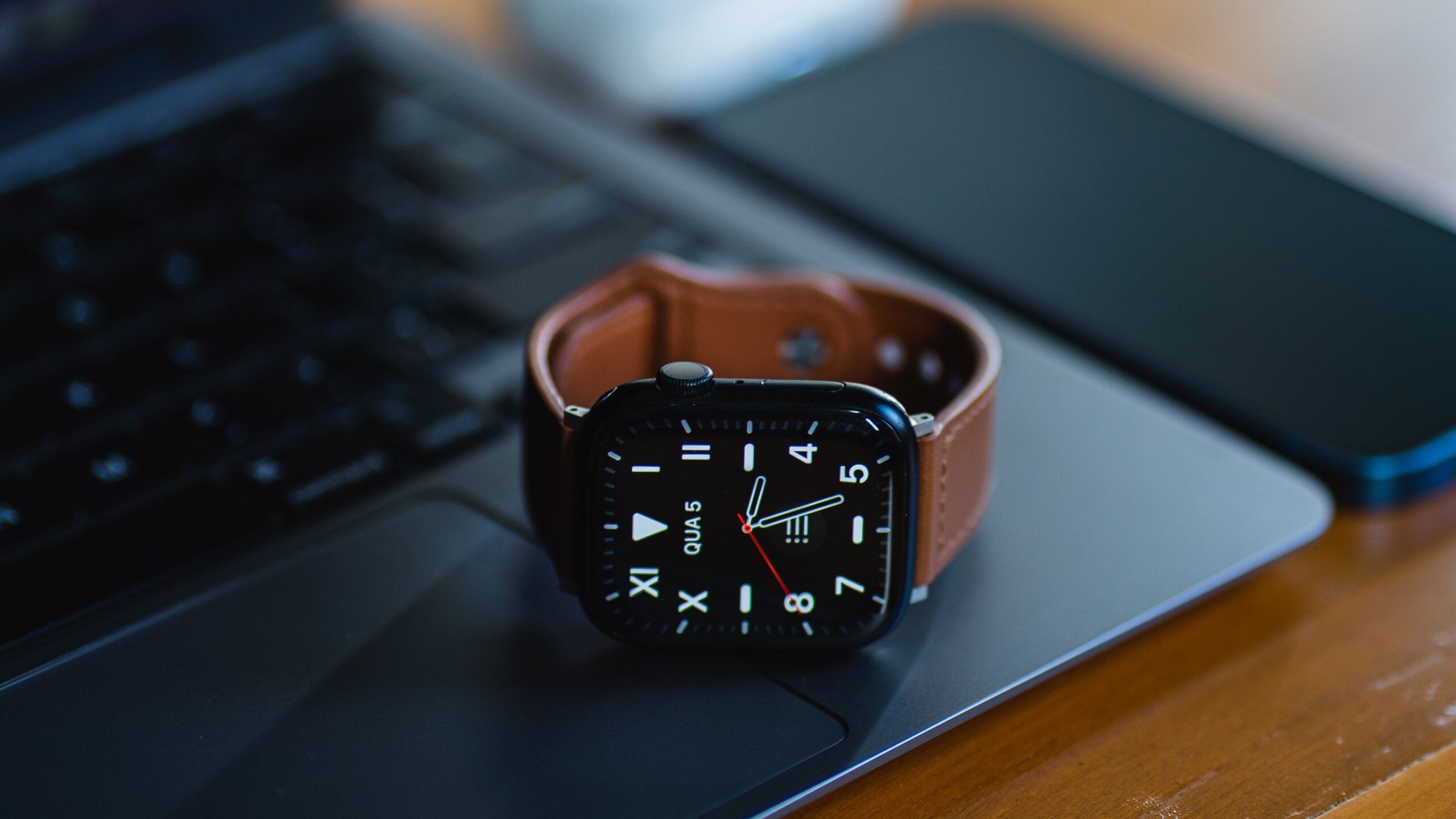
Smartwatches have become an essential part of modern life, helping users track fitness, monitor health, manage notifications, and stay connected throughout the day. However, no matter how advanced the features are, one factor often determines overall satisfaction—Smartwatch Battery Life. A powerful smartwatch is only as good as its ability to last through a full day or even multiple days without constant recharging.
A smartwatch can have the best display, the most accurate sensors, and the most impressive smart features, but if it cannot last through a full day of use, it becomes inconvenient in real-world situations. This is why battery efficiency has become a major deciding factor for buyers. Some users prefer devices that need daily charging for maximum features, while others prioritize longer-lasting power that can stretch across several days or even weeks. As a result, understanding how different smartwatches perform in terms of battery life is essential before making a choice.
Why Smartwatch Battery Life Matters
Battery life is one of the most critical buying factors because smartwatches are designed to be worn all day and often overnight. Unlike smartphones, which you can easily plug in at your desk or during a commute, a smartwatch is expected to continuously monitor your health metrics, track your workouts, and push notifications to your wrist without interruption.
When battery life is poor, users face:
-
Interrupted Sleep Tracking: The watch dies mid-night, leaving massive gaps in your sleep quality and recovery metrics.
-
Missing Fitness Data: Missing out on tracking a long run, hike, or workout because the device hit 0%.
-
Frequent Charging Frustration: The constant anxiety of carrying another proprietary charging cable everywhere you go.
-
Reduced Feature Usability: Constantly turning off premium features like GPS or heart-rate monitoring just to make it through the day.
This is why understanding smartwatch battery life is essential before purchasing any wearable device.
What Affects Smartwatch Battery Life?
Several technical factors determine how long a smartwatch lasts on a single charge:
1. Display Technology
Bright, high-resolution screens consume a massive amount of power. AMOLED and OLED screens look vibrant and offer deep contrasts, but they require a lot of juice to keep those pixels illuminated. In comparison, simpler displays like MIP (Memory-in-Pixel) screens use ambient light to stay readable, drawing next to no power unless the backlight is turned on.
2. Operating System (OS)
Advanced operating systems like Apple’s watchOS or Google’s Wear OS function like tiny smartphones. They run heavy background apps, support complex animations, and process tasks continuously, which drains power rapidly. Lightweight, proprietary systems (found on basic fitness trackers or hybrid watches) lack heavy app ecosystems but run far more efficiently.
3. Sensor Usage
Every health metric comes at a battery cost. Continuous PPG (photoplethysmography) heart rate monitoring, regular SpO2 (blood oxygen) checks, skin temperature tracking, and stress algorithms require the sensors on the back of the watch to fire constantly.
4. Always-On Display (AOD)
Keeping the screen active so you can glance at the time without raising your wrist is highly convenient, but it comes at a price. Leaving AOD enabled can reduce your device’s battery life by 20% to 40%.
5. Connectivity & GPS
Built-in GPS chipsets communicate directly with overhead satellites to map your outdoor workouts, which is incredibly power-hungry. Furthermore, LTE-enabled watches that connect directly to cellular networks (independent of your phone) drain the battery even faster because they are constantly searching for mobile cell towers.
Smartwatch Battery Life Categories
Smartwatches generally fall into three distinct performance categories based on their design philosophy and hardware capabilities:
| Category | Battery Range | Core Philosophy | Target User |
| Premium Smartwatches | 1–3 Days | Rich app ecosystem, high-resolution displays, heavy phone integration. | Tech enthusiasts, casual exercisers, daily commuters. |
| Balanced Smartwatches | 2–7 Days | A mix of smart notifications, health tracking, and aggressive power optimization. | Users who want smart features without the chore of daily charging. |
| Long-Battery Endurance Watches | 7–30+ Days | Low-power displays, outdoor ruggedness, and heavy focus on data collection over apps. | Athletes, hikers, runners, and outdoor minimalists. |
Brand Performance Breakdown
Different smartwatch brands deliver very different results when it comes to performance, efficiency, and battery endurance. While some focus on powerful smart features and premium ecosystems, others prioritize long-lasting battery life and fitness optimization. This breakdown highlights how leading brands balance functionality and energy efficiency, helping you understand what to expect from each in real-world usage.
Apple Watch: Premium Performance, Daily Charging
Apple Watches are famous for smooth performance, seamless integration with iPhones, and incredibly accurate health tracking. However, power endurance remains their biggest bottleneck.
-
Standard Models (Series 9 / 10 / SE): 18–36 hours of normal use. Heavy GPS or workout tracking drops this to 12–18 hours. Low Power Mode can stretch usage to 2–3 days.
-
Ultra Series (Ultra 2 / Ultra 3): Up to 36–42 hours of normal use, stretching to 72 hours in Low Power Mode.
Why Apple Watch Uses More Power:
-
Ultra-bright Retina LTPO OLED displays (hitting up to 3,000 nits in sunlight).
-
Advanced dual-core processors and a dedicated Neural Engine running rich, background-heavy apps.
-
Frequent, high-frequency sensor polling for heart rhythm and motion detection.
Takeaway: Apple Watches are high-performance machines designed with the expectation that they will sit on a charger every single day.
Samsung Galaxy Watch: The Android Powerhouses
Samsung Galaxy Watches offer a feature-rich experience for Android users and generally boast larger physical battery capacities than standard Apple Watches.
-
Standard Models (Galaxy Watch 7 / Classic): 1.5 to 2 days (up to 40 hours) under average conditions.
-
Galaxy Watch Ultra: Up to 80 hours (over 3 days) with Always-On Display turned off, and up to 100 hours in Power Saving Mode.
How Samsung Optimizes Efficiency:
-
Utilizes highly efficient 3nm processors to lower chip power consumption.
-
Includes adaptive brightness and smart background app throttling through Wear OS.
-
Packs large physical batteries (up to 590mAh in the Ultra model) to brute-force a longer runtime.
Garmin Smartwatches: The Endurance Champions
When it comes to long battery life, Garmin completely dominates the industry. They build tools for athletes and outdoor explorers who need multi-day reliability.
-
Smartwatch Mode: 5 to 21+ days depending heavily on the specific model (e.g., Fenix or Forerunner series).
-
GPS Tracking Mode: 20 to 60+ continuous hours, outlasting standard smartwatches by days.
-
Solar Models: Built-in solar charging lenses can extend battery life by weeks, or theoretically indefinitely in low-power modes.
Why Garmin Lasts So Long:
-
MIP (Memory-in-Pixel) Displays: Many models use low-power, sunlight-readable screens that consume almost zero energy while static.
-
No Heavy App Store: The software is highly optimized and focused tightly on computing data rather than running third-party apps.
-
Passive Tracking: The OS scales down processing cycles elegantly when you aren’t actively executing a workout.
Fitbit & Amazfit: Balanced Fitness and Budget Longevity
These brands target users who want excellent tracking metrics without paying premium prices or dealing with dead batteries every weekend.
-
Fitbit (Sense / Versa): 5 to 7 days of real-world use. Continuous GPS tracking drops this down to 6–10 hours. They perfectly balance health insights with a “charge once a week” lifestyle.
-
Amazfit (T-Rex / GTR Series): 7 to 14 days under typical usage, stretching up to 30 days in basic watch modes. They offer highly competitive battery life at a fraction of the cost of premium rugged wearables.
Tips to Maximize Your Smartwatch Battery Life
Even the most advanced smartwatches can drain quickly if not used efficiently, but the good news is that a few simple adjustments can significantly extend performance. By optimizing settings, managing connectivity, and using power-saving features wisely, you can get more hours—or even days—out of a single charge. These practical tips will help you make the most of your smartwatch without sacrificing essential features.
- Tweak the Display: Turn off the Always-On Display (AOD) and shorten the screen timeout window to 5 seconds.
- Audit Your Notifications: Block unnecessary smartphone apps from vibrating your wrist. Every vibration fires up the watch’s haptic motor and screen.
- Adjust Sensor Polling: Change continuous heart rate tracking to update every 10 minutes instead of every second, and turn off background SpO2 tracking during the day.
- Manage Connectivity: Turn off Wi-Fi and Bluetooth if you are going to be away from your phone for extended periods, and turn off LTE if your model supports it.
- Utilize Night Modes: Enable Bedtime or Sleep Mode so the display doesn’t wake up every time you roll over in bed.
Which Watch Fits Your Lifestyle?
Choosing the right device comes down to prioritizing what matters most to you: features or freedom from the charger.
-
Go with Apple or Samsung if you want a true smartphone replacement on your wrist, love crisp displays, don’t mind charging daily, and want to dictate text or reply directly to messages.
-
Go with Garmin if you are an endurance athlete, love camping, hiking, or running, and need exact GPS maps alongside a battery that can survive a multi-day trip into the wild.
-
Go with Fitbit or Amazfit if you want straightforward health tracking, sleep data, and daily notifications without breaking the bank or scheduling your life around a charging brick.
Get the Best Smartwatches at Phoneshop Kenya
When choosing a smartwatch, features matter—but battery life determines usability. A device with advanced health tracking or smart apps is only useful if it stays powered throughout your day. That’s why understanding Smartwatch Battery Life is essential before making a purchase.
If you want premium performance, Apple and Samsung offer excellent smart features with daily charging needs. However, if long-lasting battery life is your priority, brands like Garmin and Amazfit clearly stand out. Looking for reliable smartwatches with great battery life, performance, and original quality?
Visit Phoneshop Kenya today for the best deals on Apple Watch, Samsung Galaxy Watch, Garmin, and more. Shop now and upgrade your smartwatch experience with Phoneshop Kenya—where quality meets affordability.